- Car & Truck Ignition Systems Components Products
- sku: 11293934605669883
- BOSCH 0261231110
0261231110 BOSCH Ignition Knock Detonation Sensor
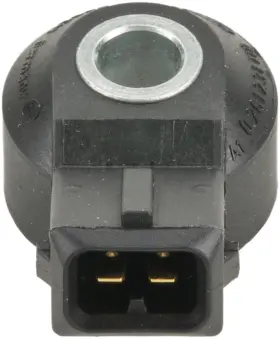
| Brand | BOSCH |
|---|---|
| Manufacturer Part Number | 0261231110 |
| Manufacturer Warranty | 90 DAY |
| Type | IGNITION KNOCK |
Review BOSCH Ignition Knock Detonation Sensor-sensor
The Bosch 0261231110 Ignition Knock Sensor is a crucial component of a modern automotive engine management system. This sensor, manufactured by Bosch, a renowned global technology leader, is designed to monitor the engine for signs of detonation or knocking, ensuring optimal engine performance and longevity.
The Ignition Knock Sensor is a compact, cylindrical device, typically located near the engine, which utilizes a piezoelectric transducer to detect the slightest vibrations caused by knocking or detonation in the engine. This sensor converts these vibrations into electrical signals, which are then transmitted to the engine control unit (ECU).
The Bosch 0261231110 Ignition Knock Sensor is known for its high precision and reliability. It is capable of detecting even the slightest signs of knocking, allowing the ECU to take corrective measures before any significant damage occurs. This can include adjusting the fuel injection timing or increasing the ignition advance, among other things, to maintain smooth engine operation.
This sensor operates by measuring the electrical resistance between two electrodes when subjected to the mechanical vibrations of the engine. The sensor's resistance changes as a result of these vibrations, which the ECU uses to determine the presence and severity of knocking.
The Bosch 0261231110 Ignition Knock Sensor is a vital component in maintaining the overall health and efficiency of an engine. Regular maintenance and timely replacement, when necessary, can help ensure that your vehicle continues to run smoothly and reliably. With Bosch's reputation for quality and innovation, you can trust that this sensor will provide accurate and reliable performance for your vehicle.
The Bosch 0261231110 Ignition Knock Detonation Sensor is a critical component in the engine management system that helps in detecting and preventing engine knocking or detonation. Here are some pros and cons that can help you make an informed decision about purchasing this sensor.
Pros:1. Improved engine performance: This sensor helps in maintaining optimal engine performance by detecting and preventing engine knocking, which can lead to improved fuel efficiency and smoother engine operation.
2. Enhanced durability: Bosch is a well-known brand known for its high-quality automotive components. This sensor is designed to last longer than some aftermarket sensors, ensuring reliable operation for an extended period.
3. OEM compatibility: This sensor is an original equipment manufacturer (OEM) replacement part, which means it is specifically designed to fit and function identically to the original sensor in your vehicle.
4. Diagnostic capabilities: This sensor provides diagnostic capabilities, allowing you to detect and diagnose engine issues related to ignition system malfunctions, which can save you time and money in the long run.
Cons:1. Cost: Original equipment manufacturer (OEM) sensors can be more expensive than aftermarket sensors. However, the added benefits such as improved performance, enhanced durability, and diagnostic capabilities may justify the higher cost for some consumers.
2. Installation: Installing this sensor yourself may require advanced technical skills and knowledge of engine management systems. It is recommended to have it installed by a professional mechanic to ensure proper installation and functioning.
3. Availability: Depending on the specific make and model of your vehicle, this sensor may not be readily available at local auto parts stores, and you may need to order it online.
Conclusion:The Bosch 0261231110 Ignition Knock Detonation Sensor is a high-quality component designed to enhance engine performance, durability, and diagnostic capabilities. While it may be more expensive than aftermarket sensors, the added benefits and OEM compatibility make it a worthwhile investment for some consumers. However, the installation process can be complex, and it may not be readily available at local auto parts stores. Ultimately, the decision to purchase this sensor depends on your specific needs, budget, and technical abilities. If you value reliable engine performance, diagnostic capabilities, and the peace of mind that comes with using OEM parts, then this sensor is an excellent choice. If you are on a tight budget or have limited technical skills, you may want to consider an aftermarket sensor instead.
Details:
This part fits vehicles made in the following years 1996 ,1997,1998,1999,2000,2001,2002,2003,2004,2005,2006,2007,2008,2009,2010,201 1,2012,2013,2014.
specifications ignitioncomp:
- brand: Bosch
- mpn: 0261231110
- manufacturer warranty: 90 Day
- type: Ignition Knock
seller ignitioncomp:
- # reviews: 23
- rating: 100.0%
- city: los angeles, california
offer ignitioncomp:
- availability: in stock
- started: september 14, 2025
- in stock #: 5
- prices: $20.49–$52.99
- item condition: New
- options: ship-to-home
- sold #: 17
returns ignitioncomp:
- policy: returns accepted
- paid by: seller
- time: 30 days
payments ignitioncomp:
- credit card: discover
- other
- wallet: google-pay
shipping ignitioncomp:
- transit: 5-12 days
- class: economy
- service: economy with adult signature required
- type: fixed
general ignitioncomp:
- category: Auto Parts > Car Truck Accessories > Ignition Systems Components
Similar Items:
- Volkswagen 171 905 115 Bosch Ignition Coil 75-84 Vw Jetta Rabbit Scirocco Mk1 Genuine Bosch ignition coil 75-84 VW Etta rabbit sirocco MK1 - genuine 171 905 115: product info: removed from: 1979 . Warranty: yes. Condition: used. Make sure to read all details of the. Manufacturer part number: 171 905 115. Brand: Volkswagen. You should not rely solely on what vehicles the part fits. ...(January 21st, 2024)
- Bosch 010 545 59 32 Refurbished 87-93 Mercedes Benz 190e Engine Ignition Control 227 400 689 Refurbished 87-93 Mercedes Benz 190E engine ignition control 227 400 689. Condition - used oem tested prior to removal. Similar tore-pairing Bluetooth device to a new speaker. Donor vehicle. Items are compatible by part number only. Not by year, make and model. Frequencies have to match...(January 23rd, 2024)
- Bosch 0221119027 Alfa Romeo Mercedes Porsche Bmw Ignition Super Coil Used good tested Bosch ignition coil part number fits many cars: alga romeo, Mercedes Benz, Porsche, BMW others...(February 14th, 2024)
- Oem Seau-au993-sda026 Cadillac Cts Saturn L300 Ls2 Lw2 Bosch Ignition Coil 0221503026 ...(February 28th, 2024)
- Bmw 1247281 Genuine 3 Z3 5 Series E36 E46 E34 M43 M44 Petrol Ignition Coil Bosch Lm26 Works as it should. This part was pulled from a 1998 BMW 318TIVIN-WBACG8329WKC84214MILEAGE-115,886BODY style-coupe exterior color-ascot green 353INTERIOR color-light sand grey PK5BHSTOCK # LM26, removed from: 318TI with 115,886 miles, please review all pictures to assess the condition of item. ...(March 4th, 2024)
- Bosch 0221504004 Pen Ignition Coil Bmw 5 Serie E39 Pen ignition coil BMW 5 series E39...(March 21st, 2024)
- Bosch 997 618 259 Ignition Control Unit Without Key It is a performance part, ensuring better ignition control and improved engine. The unit comes with two manufacturer part numbers - 997 618 259 and 161 01, making it suitable for a wide range of car model's. This ignition control unit is the perfect replacement for your 2007 Cayman Porsche cars ...(March 28th, 2024)
- Cadillac 12613057 0221604104 Bosch Ignition Coil For 2004-2009 Buick Enclave Saab Gmc Oem Brand: Cadillac. Item must be in the same condition as we sent it to you. If the customer has moved since original purchase, must inform us of change address. Warranty is only for original purchaser and they must provide proof of purchase. Application: Cadillac CTS. Condition: used oem. Part number...(April 3rd, 2024)
- Porsche 94460280100 88 944 1261 Ignition Coil Bosch Condition: used. Brand: Porsche. Exterior: red. Storage location: H/Y2-B396. Interior: black. Donor vehicle: 1988 Porsche 944 w/ 183,173 miles...(April 6th, 2024)
- Bosch 94460211500 Porsche 924s 944 911 964 968 928 Ignition Coil 0221118332 The part number is and it made by Bosch. This is a good stock Porsche 944 ignition coil...(April 17th, 2024)
- Bosch 231 403 006 73 74 75 Mercedes W116 W107 R107 450sl 4.5 Ignition Distributor 0231403006 Car ran on starting fluid, so this distributor is good. Removed from a barn find car that was clean. Good used unit, clean unit. This is the dual points unit that needed for Bosch d-ketogenic fuel injection system - these are super hard to find. Cap and rotor are included, however no idea of age...(April 19th, 2024)
