- Car & Truck Ignition Systems Components Products
- sku: 15021629049950773
- WALKER 242-1046
242-1046 WALKER PRODUCTS INC Ignition Knock Detonation Sensor
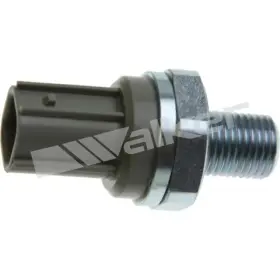
| Brand | WALKER PRODUCTS INC |
|---|---|
| Manufacturer Part Number | 242-1046 |
| Part Type | IGNITION SENSOR |
| Parts Included | ONLY PART REFERENCE 0 ON THE DIAGRAM IS INCLUDED |
Review WALKER PRODUCTS INC Inc. Genuine Ignition Knock Detonation Sensor
The Walker 242-1046 Ignition Knock Sensor is an essential automotive component designed to detect and prevent engine damage caused by ignition knock or detonation. This sensor is a critical part of any modern engine management system.
The sensor itself is a compact, electronic device that monitors the engine's combustion process. It uses advanced technology to detect subtle changes in engine sound waves that indicate the presence of ignition knock. Ignition knock occurs when fuel in the engine's cylinders detonates prematurely, leading to a harsh, metallic sound and potential engine damage if left unchecked.
The Walker 242-1046 sensor features a sophisticated design that can accurately detect even the slightest signs of ignition knock. It works by measuring the vibrations produced by the engine during the combustion process. These vibrations are then converted into an electrical signal that is sent to the engine control module (ECM).
The ECM uses this information to adjust the engine's fuel injection and ignition timing to prevent further occurrences of ignition knock. This helps ensure optimal engine performance and longevity.
Installation of the Walker 242-1046 Ignition Knock Sensor is a straightforward process and can typically be completed by a skilled DIY mechanic or a professional technician. The sensor is designed to fit a wide range of vehicles, making it a versatile option for many automotive applications.
In summary, the Walker 242-1046 Ignition Knock Sensor is an essential component in maintaining the health and performance of your vehicle's engine. By accurately detecting and preventing ignition knock, it helps ensure that your engine runs smoothly and efficiently, while also protecting it from potential damage.
The Ignition Knock Detection Sensor, model 242-1046, is a critical component in your vehicle's engine management system. Its primary function is to detect and prevent engine damage caused by ignition knock or detonation. Here are some pros and cons that might help you decide whether to buy this sensor.
Pros:1. Improved Engine Protection: This sensor helps protect your engine from damage caused by ignition knock. It continuously monitors the engine's combustion process and triggers the engine's knock control system to adjust fuel injection and ignition timing to prevent knocking.
2. Enhanced Driveability: A faulty ignition knock sensor can cause rough idling, stalling, and poor engine performance. Replacing the faulty sensor can help improve driveability and provide a smoother riding experience.
3. Potential Fuel Savings: Ignition knock can lead to increased fuel consumption. By preventing knocking, the sensor can help you save fuel and reduce your overall fuel costs.
4. Long Term Cost Savings: A faulty ignition knock sensor can lead to more significant engine damage if not addressed promptly. Replacing the sensor now can help prevent costly repairs down the line.
Cons:1. Cost: The cost of the sensor itself is not particularly high. However, the labor costs associated with removing the old sensor and installing the new one can add up.
2. Time: Installing the sensor yourself can be a time-consuming process, especially if you're not familiar with the procedure. You may need to purchase additional tools and equipment to complete the installation.
3. Complexity: The ignition system in modern vehicles can be complex, making it challenging to diagnose and repair issues related to the ignition knock sensor.
Conclusion:The Ignition Knock Detection Sensor, model 242-1046, is an essential component of your vehicle's engine management system. While there are some cons to consider, such as cost and complexity, the benefits of improved engine protection, enhanced driveability, potential fuel savings, and long-term cost savings make it a worthwhile investment. If you're experiencing issues with your vehicle's ignition system or notice symptoms of ignition knock, replacing the sensor is recommended. If you're not comfortable performing the installation yourself, consider taking your vehicle to a professional mechanic.
Details:
Shipping carrier substitutions may be made at our determination in an attempt to reduce shipping cost the customer. Walker products 242-1046 ks, ignition knock detonation sensor. Parts must be resalable and in the original packaging. Electrical parts are not returnable.
Ignition knock detonation sensors detect engine block vibrations caused from knock and send signals to the computer retard ignition timing.
specifications ignitioncomp:
- brand: Walker Products Inc
- mpn: 242-1046
- part type: Ignition Sensor
- parts included: Only Part Reference 0 On The Diagram Is Included
offer ignitioncomp:
- prices: $39.72–$145.10
- item condition: New
- sold #: 9
- options: ship-to-home
- started: march 24, 2026
- in stock #: 5
- availability: in stock
general ignitioncomp:
- category: Auto Parts > Car Truck Accessories > Ignition Systems Components
seller ignitioncomp:
- rating: 91.0%
- # reviews: 70
- city: cockeysville, maryland
returns ignitioncomp:
- paid by: seller
- policy: returns accepted
- time: 30 days
shipping ignitioncomp:
- type: fixed
- transit: 3-7 days
- class: standard
- service: standard
payments ignitioncomp:
- wallet: apple-pay
- other
- credit card: mastercard
Similar Items:
- Walker Products 242-1327 Knock Sensor Undefined' element. Part number: 242-1327...(January 19th, 2024)
- Walker Products 921-2056 Ignition Coil Undefined' element...(April 29th, 2024)
- Walker 235-1576 Engine Camshaft Position Sensor For Silverado 2500 Hd More A15 Came out of a running engine, selling as is...(November 25th, 2024)
- Walker Products 397dh69 Ignition Misfire Sensor For 1997-2001 Mitsubishi Mirage 1.8l L4 1998 Mitsubishi mirage engine: 1.8L L4;. 1997 Mitsubishi mirage engine: 1.8L L4;. Improves fuel efficiency. Detects misfires in the ignition system. Item specifics:: connector gender: male, quantity: 1, shape: oblong, terminal type: blade. Ignition misfire sensor Walker for 1997 -2001 Mitsubishi ...(December 14th, 2024)
- Walker Products 353az01 Ignition Knock Detonation Sensor For 1995-2000 Dodge Stratus Shipping handling service: please refer to shipping section. Knock sensor. Item specifics:: connector gender: male, quantity: 1, shape: circle, length : 41.9000MM, mounting hardware Included: no, terminal type: threaded, wiring harness no. Shipping cost: please refer to shipping section. Whether ...(December 14th, 2024)
- Walker Products 373yx78 Ignition Knock Detonation Sensor For 2001-04 Mercedes-benz Slk320 3.2l Shipping cost: please refer to shipping section. Whether you are doing maintenance, a long-term automotive project, or just trying to get your vehicle running, count on help with small big project. Ignition knock detonation sensor Walker for 2001 -04 Mercedes-Benz SLK320 3.2L:: : : fitment notes: ...(December 14th, 2024)
- Walker Products 770lb84 Ignition Coil Set For 2009-2022 Gmc Savana 4500 Item specifics:: connector gender: male, mounting bracket Included: yes, oil filled: no, terminal quantity: 4, type: spade, voltage : 12.0. Whether you are doing maintenance, a long-term automotive project, or just trying to get your vehicle running, count on help with small big project. Shipping ...(December 14th, 2024)
- Walker 76327gz Ignition Misfire Sensor For 2000-2001 Mitsubishi Eclipse 2.4l L4 Shipping handling service: please refer to shipping section. Compatible years: 2000 2001 . 2024 .: Walker ignition misfire sensor for 2000 - 2001 Mitsubishi eclipse 2.4L L4: brand: product, warranty: 1 year, part type: sensor, fitment notes: engine: , ign. Shipping cost: free...(December 15th, 2024)
- Walker 70795lg Ignition Knock Detonation Sensor For 2005-2010 Nissan Pathfinder 2006 Nissan pathfinder engine: 4.0L V6;. Shipping cost: free. Shipping handling service: please refer to shipping section.: Walker ignition knock detonation sensor for 2005 - 2010 Nissan pathfinder: brand: product, warranty: 1 year, part type: sensor. Compatible years: 2005 2006 2007 2008...(December 15th, 2024)
- Walker 47204gg Ignition Knock Detonation Sensor Connector For 1983-1995 Gmc G2500 Walker ignition knock detonation sensor connector for 1983 - 1995 GMC G2500: brand: product, warranty: 1 year, part type: connector, electrical pigtail. Compatible years: 1983 1984 1985 1986 1987 1988 1989 1990 1991 1992 1993 1994 1995 . Shipping handling service: please ...(December 16th, 2024)
- Walker 98411vi Ignition Knock Detonation Sensor Connector For 2005-2008 Buick Lacrosse Compatible years: 2005 2006 2007 2008 . Shipping cost: free. Shipping handling service: please refer to shipping section.: Walker ignition knock detonation sensor connector for 2005 - 2008 Buick lacrosse: brand: product, warranty: 1 year, part type: connector, fitment notes: engine: 3.6L V6...(December 16th, 2024)
