- Car & Truck Ignition Systems Components Products
- sku: 7712492860538651
- WALKER 242-1113
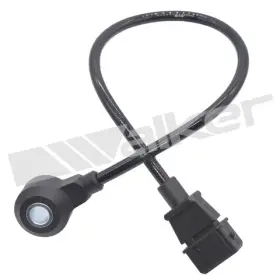
242-1113 WALKER PRODUCTS Ignition Knock Detonation Sensor
| Brand | WALKER PRODUCTS |
|---|---|
| Manufacturer Part Number | 242-1113 |
| Part Type | IGNITION SENSOR |
| UPC | 724620160608 |
Review WALKER PRODUCTS Ignition Knock Detonation Sensor P/n 242 1113
Ignition Knock Detonation Sensor 242-1113
The 242-1113 Ignition Knock Detonation Sensor is a crucial component in ensuring optimal engine performance in various automotive applications. This sensor is designed to detect and signal the presence of ignition knock or detonation, which can lead to engine damage if left unchecked.
This sensor is an essential part of the engine management system, working in conjunction with the engine control unit (ECU) to monitor engine conditions and maintain ideal operating parameters. By continuously monitoring the engine's combustion process, it can quickly identify any irregularities, such as ignition knock, and alert the ECU to take corrective measures.
The 242-1113 Ignition Knock Detonation Sensor is a compact and robust component, engineered to withstand the harsh conditions of the engine bay. It features a sensitive microphone element that can accurately detect the high-frequency sound waves generated by ignition knock. The sensor's electrical connections are designed for easy installation, and it is compatible with various vehicle makes and models.
The sensor's electrical output is a voltage signal that varies with the intensity and frequency of the detected knock. This signal is then processed by the ECU to determine the severity of the knock and whether any action is required. If the knock is severe or persistent, the ECU may adjust the fuel injection timing, ignition timing, or both to help reduce or eliminate the knock.
By employing the 242-1113 Ignition Knock Detonation Sensor, vehicle owners can help maintain their engine's health and longevity. Regularly monitoring the sensor's signal and addressing any detected knock can help prevent costly engine repairs and ensure a smoother, more efficient driving experience.
In summary, the 242-1113 Ignition Knock Detonation Sensor is an essential component of modern engine management systems. Its primary function is to detect and alert the ECU of any ignition knock or detonation, allowing for prompt corrective measures to be taken and maintaining the engine's optimal performance.
Pros and Cons of buying a Walker 242-1113 Ignition Knock Sensor
The Walker 242-1113 Ignition Knock Sensor is designed to help diagnose and resolve issues related to engine knocking or pinging. This sensor is an essential component of modern vehicles' engine management systems. In this analysis, we will discuss the potential advantages and disadvantages of purchasing this part.
Pros:1. Improved Engine Performance: A faulty ignition knock sensor can lead to poor engine performance, misfires, and rough idling. Replacing it with a new one can help restore optimal engine performance and improve fuel efficiency.
2. Enhanced Durability: Walker is a well-known brand in the automotive industry, and their sensors are designed to be durable and long-lasting. This sensor might outlast the OEM (Original Equipment Manufacturer) part, saving you money in the long run.
3. OEM and Aftermarket Availability: The Walker 242-1113 sensor is available both as an OEM (Original Equipment Manufacturer) replacement and an aftermarket part. This versatility makes it a popular choice among mechanics and DIY enthusiasts.
4. Easy Installation: Replacing the ignition knock sensor is typically a straightforward process, making it an attractive option for those who prefer doing their own vehicle repairs.
Cons:1. Cost: While the Walker 242-1113 sensor may offer excellent value in terms of durability and performance, it might be slightly more expensive than some aftermarket alternatives.
2. Potential for False Positives: A faulty sensor or misdiagnosis could lead to the replacement of a perfectly good sensor, resulting in unnecessary labor and part costs.
3. Diagnostic Complexity: Modern vehicles' engine management systems can be complex. Diagnosing an engine knock issue might require specialized tools and knowledge, increasing the overall cost and time spent on the repair.
Conclusion:The Walker 242-1113 Ignition Knock Sensor offers several advantages, including improved engine performance, enhanced durability, OEM and aftermarket availability, and easy installation. However, it comes with some potential drawbacks, such as a higher cost compared to some alternatives, the risk of false positives, and the diagnostic complexity of modern vehicles' engine management systems.
Based on this analysis, if you are experiencing engine knocking or pinging issues and have the necessary knowledge and tools to diagnose and replace the sensor, the Walker 242-1113 Ignition Knock Sensor can be a worthwhile investment for the potential improvement in engine performance and longevity. However, if you are unsure about the diagnosis or the installation process, it might be best to consult a professional mechanic to ensure a proper repair.
Details:
Note: photos do not always represent the actual product. For kits, photo might show entire kit and listing is only for one component. Walker products ignition knock detonation sensor p/n:242-1113,: .
specifications ignitioncomp:
- brand: Walker Products
- mpn: 242-1113
- part type: Ignition Sensor
- upc: 724620160608
general ignitioncomp:
- category: Auto Parts > Car Truck Accessories > Ignition Systems Components
offer ignitioncomp:
- started: march 27, 2025
- in stock #: 5
- availability: in stock
- options: ship-to-home
- sold #: 21
- prices: $39.62–$64.99
- item condition: New
returns ignitioncomp:
- policy: returns accepted
- time: 30 days
- paid by: seller
payments ignitioncomp:
- credit card: discover
- other
- wallet: paypal
seller ignitioncomp:
- rating: 98.6%
- # reviews: 80686
- city: USA
shipping ignitioncomp:
- service: standard
- transit: 2-5 days
- class: standard
- type: fixed
Similar Items:
- Walker Products 242-1327 Knock Sensor Undefined' element. Part number: 242-1327...(January 19th, 2024)
- Walker Products 921-2056 Ignition Coil Undefined' element...(April 29th, 2024)
- Walker 235-1576 Engine Camshaft Position Sensor For Silverado 2500 Hd More A15 Came out of a running engine, selling as is...(November 25th, 2024)
- Walker Products 397dh69 Ignition Misfire Sensor For 1997-2001 Mitsubishi Mirage 1.8l L4 1998 Mitsubishi mirage engine: 1.8L L4;. 1997 Mitsubishi mirage engine: 1.8L L4;. Improves fuel efficiency. Detects misfires in the ignition system. Item specifics:: connector gender: male, quantity: 1, shape: oblong, terminal type: blade. Ignition misfire sensor Walker for 1997 -2001 Mitsubishi ...(December 14th, 2024)
- Walker Products 353az01 Ignition Knock Detonation Sensor For 1995-2000 Dodge Stratus Shipping handling service: please refer to shipping section. Knock sensor. Item specifics:: connector gender: male, quantity: 1, shape: circle, length : 41.9000MM, mounting hardware included: no, terminal type: threaded, wiring harness no. Shipping cost: please refer to shipping section. Whether ...(December 14th, 2024)
- Walker Products 373yx78 Ignition Knock Detonation Sensor For 2001-04 Mercedes-benz Slk320 3.2l Shipping cost: please refer to shipping section. Whether you are doing maintenance, a long-term automotive project, or just trying to get your vehicle running, count on help with small big project. Ignition knock detonation sensor Walker for 2001 -04 Mercedes-Benz SLK320 3.2L:: : : fitment notes: ...(December 14th, 2024)
- Walker Products 770lb84 Ignition Coil Set For 2009-2022 Gmc Savana 4500 Item specifics:: connector gender: male, mounting bracket included: yes, oil filled: no, terminal quantity: 4, type: spade, voltage : 12.0. Whether you are doing maintenance, a long-term automotive project, or just trying to get your vehicle running, count on help with small big project. Shipping ...(December 14th, 2024)
- Walker 76327gz Ignition Misfire Sensor For 2000-2001 Mitsubishi Eclipse 2.4l L4 Shipping handling service: please refer to shipping section. Compatible years: 2000 2001 . 2024 .: Walker ignition misfire sensor for 2000 - 2001 Mitsubishi eclipse 2.4L L4: brand: product, warranty: 1 year, part type: sensor, fitment notes: engine: , ign. Shipping cost: free...(December 15th, 2024)
- Walker 70795lg Ignition Knock Detonation Sensor For 2005-2010 Nissan Pathfinder 2006 Nissan pathfinder engine: 4.0L V6;. Shipping cost: free. Shipping handling service: please refer to shipping section.: Walker ignition knock detonation sensor for 2005 - 2010 Nissan pathfinder: brand: product, warranty: 1 year, part type: sensor. Compatible years: 2005 2006 2007 2008...(December 15th, 2024)
- Walker 47204gg Ignition Knock Detonation Sensor Connector For 1983-1995 Gmc G2500 Walker ignition knock detonation sensor connector for 1983 - 1995 GMC G2500: brand: product, warranty: 1 year, part type: connector, electrical pigtail. Compatible years: 1983 1984 1985 1986 1987 1988 1989 1990 1991 1992 1993 1994 1995 . Shipping handling service: please ...(December 16th, 2024)
- Walker 98411vi Ignition Knock Detonation Sensor Connector For 2005-2008 Buick Lacrosse Compatible years: 2005 2006 2007 2008 . Shipping cost: free. Shipping handling service: please refer to shipping section.: Walker ignition knock detonation sensor connector for 2005 - 2008 Buick lacrosse: brand: product, warranty: 1 year, part type: connector, fitment notes: engine: 3.6L V6...(December 16th, 2024)
