- Car & Truck Ignition Systems Components Products
- sku: 5187153514408681
- AUDI 4E0915181
4E0915181 AUDI Battery Voltage Control Module A8 D3
fits model: A8, D3. year: 2009.
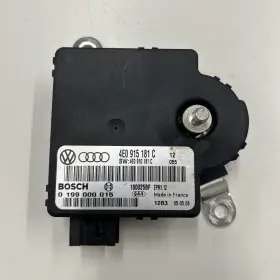
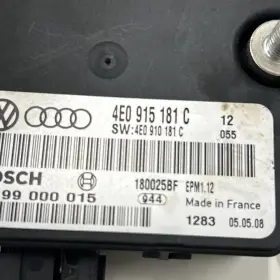
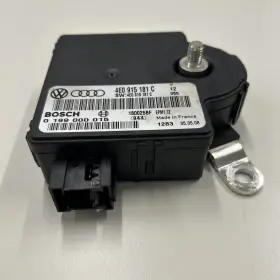
| Brand | AUDI |
|---|---|
| Manufacturer Part Number | 4E0915181 |
| Part Type | VOLTAGE CONTROL BATTERY MODULE |
Review AUDI Battery Voltage Control Module for A8 D3 2009
The Audi 4E0 915 181 is a vital electronic component in the 2009 A8 D3 models, serving as the Voltage Control Module (VCM) for the vehicle's electrical system. This part is a critical element of the battery management system, ensuring efficient and safe energy conversion and utilization.
Designed and manufactured by Audi GmbH, this Voltage Control Module is engineered specifically for the A8 D3, guaranteeing a perfect fit and seamless integration within the vehicle's electrical architecture. It is equipped with advanced micro-controlled technology that senses and processes battery voltage signals to maintain the optimal charge level and ensure the vehicle's electrical infrastructure remains stable.
The Audi 4E0 915 181's primary function is to communicate with the on-board computer, providing essential information about the vehicle's battery status and implementing Specific Absorbed Rate (SAR) charging methodology. This charging technique ensures the battery is charged efficiently and effectively while minimizing the risks of damaging the battery through undercharging or overcharging.
Furthermore, this Electronic Control Unit (ECU) includes safeguards and protective measures to secure the battery against deep discharge, short circuit, and overheating, further extending the battery's life span and improving overall vehicle performance. Also, its compatibility with advanced Audi battery management systems, such as the Lithium-ion (Li-Po) and nickel metal hydride (NiMH) batteries, ensures the Voltage Control Module remains capable of adapting to and accommodating future technological enhancements.
Measuring approximately 13.7 cm x 5.2 cm x 10.4 cm (5.4 inches x 2.0 inches x 4.1 inches), the Audi 4E0 915 181 is a compact yet powerful electronic module that plays a crucial role in ensuring your A8 D3 model runs optimally and efficiently. Its robust design and advanced functionality make this battery voltage control module an essential component for any Audi A8 D3 vehicle owner seeking superior power management and peace of mind.
Audi 4E0 915 181 Battery Voltage Control Module: A Worthy Investment?
The Audi 4E0 915 181 Battery Voltage Control Module is an essential component in the electrical system of certain Audi vehicles. This part is primarily responsible for managing and monitoring the voltage supplied to the battery. In this analysis, we will delve into the advantages and disadvantages of purchasing a replacement Audi 4E0 915 181 Battery Voltage Control Module.
Pros:1. Enhanced battery life: A malfunctioning battery voltage control module may subject the battery to overcharging or undercharging, both of which can significantly reduce its lifespan. A new battery voltage control module ensures that the battery is charged optimally, ultimately contributing to an extended battery life.
2. Improved engine performance: The Audi 4E0 915 181 Battery Voltage Control Module plays a crucial role in engine performance by managing the voltage supplied to the battery. A healthy battery voltage control module ensures that the engine receives an optimal electrical charge for smooth and efficient operation.
3. Reduced risk of electrical damage: A poorly functioning battery voltage control module can cause erratic voltage output, causing damage to other electrical components in the vehicle. A replacement module helps safeguard against such damages, potentially saving money in the long run.
4. Long-term reliability: Audi is known for manufacturing high-quality automotive components, and the same can be expected for the 4E0 915 181 Battery Voltage Control Module. Replacing a faulty module with a new one offers peace of mind, knowing that the component is less likely to fail again in the near future.
Cons:1. Cost: The Audi 4E0 915 181 Battery Voltage Control Module can be somewhat expensive compared to aftermarket alternatives. This cost may deter some individuals, especially those with more limited budgets.
2. Potential installation difficulties: While the installation process for the 4E0 915 181 Battery Voltage Control Module is not particularly complex, some individuals may find it challenging. In such cases, seeking professional assistance from an automotive technician may be the best option to ensure proper installation and functionality.
3. Potential compatibility issues: It is important to verify that the replacement battery voltage control module is compatible with your specific Audi model. Failure to do so could result in compatibility issues and the need for another replacement.
Conclusion:Given the importance of the Audi 4E0 915 181 Battery Voltage Control Module in maintaining optimal vehicle performance and battery health, it is generally a worthwhile investment to replace a faulty module. Although it may carry a higher cost compared to some aftermarket alternatives, the benefits of investing in a genuine Audi component can lead to long-term savings due to improved reliability and enhanced battery performance. For those who lack the time or expertise to install the component themselves, professional assistance from an automotive technician can ensure a smooth and effective replacement process.
Recommendation:Understanding the importance of a functioning battery voltage control module and given the advantages outlined, it is highly recommended to consider replacing a faulty Audi 4E0 915 181 Battery Voltage Control Module with a genuine Audi replacement component. The long-term benefits, including improved engine performance, battery longevity, and peace of mind, are well worth the investment.
Details:
2009 Audi A8 D3 battery voltage control module 4E0915181 c.
specifications ignitioncomp:
- for models: A8, D3
- for years: 2009
- brand: Audi
- mpn: 4e0915181
- part type: Voltage Control Battery Module
returns ignitioncomp:
- paid by: buyer
- time: 14 days
- policy: returns accepted
payments ignitioncomp:
- credit card: mastercard
- wallet: google-pay
- other
seller ignitioncomp:
- city: waterbury, connecticut
- # reviews: 3953
- rating: 100.0%
general ignitioncomp:
- category: Auto Parts > Car Truck Accessories > Ignition Systems Components
shipping ignitioncomp:
- carrier: usps
- transit: 6-13 days
- type: calculated
- class: standard
- service: usps ground advantage
offer ignitioncomp:
- in stock #: 5
- options: ship-to-home
- sold #: 27
- prices: $49.99–$69.99
- item condition: Used
- started: november 23, 2024
- availability: in stock
Similar Items:
- Audi 4l0907290a 2007 2015 Q7 4l Comfort Access Computer Module Control Oem Simply drop us a message with your car model and we'll quickly confirm the fitment. Orders placed before 0800 etc are dispatched on the same day...(December 24th, 2023)
- Audi 3q0959435l Keyless Entry Computer Module A3 S3 Rs3 Audi RS3 8v joyless entry module...(December 25th, 2023)
- Audi 4f0910131 A6 S6 4f Front Ignition Starter Lock Switch Control Unit Genuine 4f0909131e Audi a6 s6 4f front ignition starter lock switch control unit genuine 4F0909131E. Shipped with USPS ground advantage. Condition is used...(January 22nd, 2024)
- Audi 8k0909131 09-16 Quattro A4 Engine Starter Ignition Switch Module Unit Oem It does have signs of normal wear for a used part. The item was tested prior to removal and is currently in good working condition. Changed my mind. Just didn't like it. Found a better price...(February 12th, 2024)
- Audi 8w0906093 2017 2018 2019 A4 S4 Fuel Pump Control 2017 2018 2019 Audi a4 s4 fuel pump control.: used.: FedEx ground or home delivery...(February 14th, 2024)
- Audi 4f0959655a 2006 2008 A6 Genuine Safety Computer Control Module Unit Oem Pulled out from 2011 Audi A6. Genuine oem part. Any attempt to disassemble the part will void warranty. The oem part number is 4F0959655A. This item is in perfect condition may have slight storage marks. Items may show light scuffs, scratches or other imperfections as a result of this being used ...(March 2nd, 2024)
- Audi 4g1905217a 2012-2018 A7 Front Engine Start Stop Ignition Control Switch Button Oem Transmission: 8 speed automatic transmission F 8HP. Donor vehicle: 2018 Audi a7 quarto 4G8. Body type: premium plus hatchback 4 door...(March 6th, 2024)
- Volvo 8k0614517ej Oem 2010-2012 Audi A4 A5 S4 S5 Abs Anti Lock Brake Pump Module Part number: 8K0614517EJ. 30 day warranty will start from the date it was purchased. Condition: used oem factory. Brand: Mercedes. Product name. After check has been cleared. Application: A7010 Audi a4 2012 . Item must be in the same condition as we sent it to you. If the customer has moved since ...(March 13th, 2024)
- Audi 8u0905217a 2015-2018 Q3 Quattro Engine Start Stop Ignition Control Switch Button Oem Transmission: 6-SPEED automatic transmission GU. Body type: sport utility 4-DOOR SUV. Donor vehicle: 2018 Audi q3 quarto premium plus 8U...(April 4th, 2024)
- Audi 8n8962267a I 00-02 Tt Coupe Anti Theft Comfort Control Module Ccm Bcu Oem Year: 2000 -02. Return most not be opened or tampered with.: normal wearing. Warranty on the part only. As a consumer please do your research prior to purchasing an part. All reprogramming, programming or code cost is on the consumer expense. Quality: very good. Reprogramming, programming or coding...(April 27th, 2024)
- Maserati 699.ma1x07 Advanced Weight System Module Misc Electrical Fits 2007 Audi Quattropo Oem Advanced weight system module misc electrical fits 2007 Audi rattrap oem: advanced weight system module front seat, M139 QA included: hassle-free 1 year warranty our part #: 390188. More parts: 1 year warranty. Warranty hassle-free 1 year warranty: all parts are warrantied for a period of 12 ...(May 7th, 2024)
