- Car & Truck Ignition Systems Components Products
- sku: 4495916202607681
- SATURN SATURNSDN
Saturnsdn SATURN Oxygen Sensor Front SL-2
fits model: Sl-2, Sl2. year: 1997.
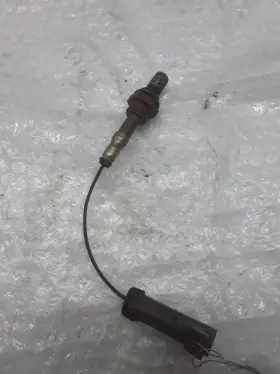
| Brand | SATURN |
|---|---|
| Model | SATURNSDN |
| Part Type | SENSOR |
| Conditions Options | O2 SENSOR FRONT SL-2 |
| Genuine Oem | YES |
| Ipn | 699.GM7W97 |
Review SATURN Oxygen O2 Sensor Front for SL-2 SL2 1997
The Saturn 699 Gm7W97 Oxygen Sensor, Front, 1997 SL-2 SL2 Z-61-1P, is a crucial component in maintaining the optimal performance of your vehicle's engine emission system. This oxygen sensor, specifically designed for the 1997 Saturn SL-2 with the Z-61-1P engine, monitors the amount of unburnt oxygen in your vehicle's exhaust system, providing essential data to the engine control unit (ECU).
The Saturn 699 Gm7W97 Oxygen Sensor is a high-quality, durable part made from heat-resistant materials. It features a ceramic sensing element that can withstand extreme temperatures, ensuring accurate readings even under heavy engine load. The sensor's ceramic tip is coated with a noble metal catalyst, which increases its sensitivity to oxygen and enhances its ability to provide reliable readings.
This oxygen sensor is easy to install, with a simple plug-and-play design that eliminates the need for complex repairs. It fits directly into your vehicle's exhaust system, replacing the old sensor and restoring the proper functioning of your engine's emission control system. The Saturn 699 Gm7W97 Oxygen Sensor is a direct-fit part, ensuring a perfect fit and a quick, hassle-free installation.
In conclusion, the Saturn 699 Gm7W97 Oxygen Sensor, Front, 1997 SL-2 SL2 Z-61-1P, is an essential upgrade for your vehicle. It provides accurate readings, ensuring your engine runs efficiently and meets emission standards. Its durable construction ensures long-lasting performance, while its easy installation process saves you time and money. Upgrade your vehicle with this high-quality oxygen sensor today and enjoy improved fuel efficiency, reduced emissions, and better engine performance.
Pros of buying a Saturn 699 GM GMPP Oxygen Sensor (Front, 1997 SL-2 SL2 Z-61-1P):1. OEM Replacement: This oxygen sensor is an original equipment manufacturer (OEM) part, which means it is made by the same company that originally manufactured your car's parts. This ensures a perfect fit and compatibility with your vehicle.
2. Improves Fuel Efficiency: A faulty oxygen sensor can cause your car to run rich or lean, resulting in poor fuel efficiency. Replacing it with a new one can help improve your car's fuel efficiency and save you money on gas.
3. Enhances Engine Performance: A properly functioning oxygen sensor helps your car's engine run more smoothly and efficiently. Replacing a faulty sensor can help improve your car's overall performance.
Cons of buying a Saturn 699 GM GMPP Oxygen Sensor (Front, 1997 SL-2 SL2 Z-61-1P):1. Price: OEM parts can be more expensive than aftermarket parts. However, the quality and fit of OEM parts make them a worthwhile investment in the long run.
2. Availability: Depending on where you live, it may be more difficult to find OEM parts than aftermarket parts. However, online retailers like Amazon make it easy to order OEM parts from the comfort of your own home.
Conclusion:Overall, buying the Saturn 699 GM GMPP Oxygen Sensor (Front, 1997 SL-2 SL2 Z-61-1P) is a worthwhile investment. While it may be more expensive than some aftermarket parts, the quality and fit of OEM parts make them a better choice in the long run. Replacing a faulty oxygen sensor can improve your car's fuel efficiency, engine performance, and overall reliability, making it a worthwhile investment in the health of your vehicle.
Recommendation:If you are looking to replace the oxygen sensor in your 1997 Saturn SL-2, I recommend buying the Saturn 699 GM GMPP Oxygen Sensor (Front, 1997 SL-2 SL2 Z-61-1P). While it may be more expensive than some aftermarket parts, the quality and fit of OEM parts make them a better choice in the long run. Plus, ordering from an online retailer like Amazon makes it easy and convenient to get the part you need.
Details:
That is how we got our happy name before relocated to new location. Our hours are.
No expedited shipping options are available at this time.
specifications ignitioncomp:
- for models: Sl-2, Sl2
- for years: 1997
- brand: Saturn
- model: Saturnsdn
- part type: Sensor
- conditions options: O2 Sensor Front Sl-2
- genuine oem: Yes
- ipn: 699.gm7w97
seller ignitioncomp:
- rating: 95.9%
- # reviews: 23243
- city: rancho cordova, california
returns ignitioncomp:
- paid by: buyer
- time: 30 days
- policy: returns accepted
payments ignitioncomp:
- other
- wallet: paypal
- credit card: mastercard
shipping ignitioncomp:
- class: economy
- transit: 9-13 days
- service: economy
- type: fixed
general ignitioncomp:
- category: Auto Parts > Car Truck Accessories > Ignition Systems Components
offer ignitioncomp:
- availability: in stock
- best offers: true
- options: ship-to-home
- sold #: 29
- started: september 29, 2024
- in stock #: 5
- prices: $29.99–$55.46
- item condition: Used
Similar Items:
- Holstein Sx-gm67 Ignition Knock Detonation Sensor For 2002-2008 Saturn Vue 2.2l 2.4l St Holstein ignition knock detonation sensor for 2002 -2008 Saturn vie 2.2L 2.4L st: status: in stock...(September 20th, 2025)
- Holstein C616 34-7 Ignition Knock Detonation Sensor For 2001-2002 Saturn L100 2.2l L4 Ca Holstein ignition knock detonation sensor for 2001 -2002 Saturn L100 2.2L l4 ca: status: in stock...(September 22nd, 2025)
- Holstein Sx-t8kx Ignition Knock Detonation Sensor For 2001-2003 Saturn Lw200 2.2l L4 Pi Holstein ignition knock detonation sensor for 2001 -2003 Saturn LW200 2.2L l4 pi: status: in stock...(May 18th, 2026)
