- Car & Truck Ignition Systems Components Products
- sku: 1979742100817661
- TOYOTA 699.TO1910
699.TO1910 TOYOTA Air Temperature Sensor Tundra
fits model: Tundra. year: 2010.
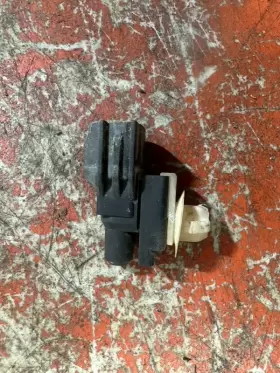
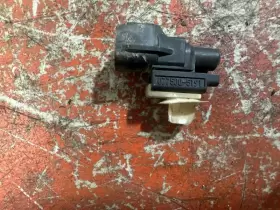
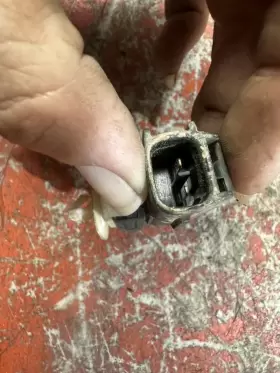
| Brand | TOYOTA |
|---|---|
| Part Type | SENSOR |
| Conditions Options | AIR TEMP SENSOR |
| Genuine Oem | YES |
| Ipn | 699.TO1910 |
Review TOYOTA Air Temperature Sensor for TUNDRA 2010
The Toyota Tundra 699-to1910 Air Temperature Sensor is an essential component of your 2010 Tundra's engine management system. This sensor is responsible for measuring the ambient air temperature, which is crucial for the proper functioning of the vehicle's air conditioning system, fuel injection, and engine cooling system.
The sensor is a high-quality, OEM (Original Equipment Manufacturer) part, designed to meet the exact specifications and performance standards of Toyota. It is made of durable materials, including a stainless steel housing, to withstand the harsh conditions of the engine compartment. The sensor itself is a thermistor, a type of temperature-sensitive resistor that changes its electrical resistance in response to temperature changes.
The Toyota Tundra 699-to1910 Air Temperature Sensor is a direct replacement for the original sensor in your 2010 Tundra. It is easy to install, requiring no special tools or mechanical skills. The sensor simply connects to the engine's wiring harness, and can be secured in place with the provided mounting hardware.
In terms of performance, the sensor is designed to provide accurate and reliable temperature readings. It has a wide operating temperature range, from -40 C to 150 C (-40 F to 300 F), making it suitable for use in a variety of climates and driving conditions. The sensor's resistance value changes linearly with temperature, allowing the engine control system to accurately calculate the air temperature and adjust the vehicle's systems accordingly.
In summary, the Toyota Tundra 699-to1910 Air Temperature Sensor is an essential component of your 2010 Tundra's engine management system. It is made of high-quality materials, is easy to install, and provides accurate and reliable temperature readings. By replacing a faulty sensor with this OEM part, you can ensure that your Tundra's air conditioning, fuel injection, and engine cooling systems continue to operate efficiently and effectively.
Pros of buying a Toyota Tundra 2010 air temperature sensor:1. Reliability: Toyota is known for its high-quality parts, including sensors, and the Tundra is no exception. The air temperature sensor is likely to be durable and reliable, providing accurate readings for a long time.
2. Easy installation: The air temperature sensor is a straightforward part to replace, and installation instructions are readily available online. This means that you can save money by doing the repair yourself, or you can hire a mechanic at a lower cost than for a more complex repair.
3. Availability: Replacement air temperature sensors for the Toyota Tundra are widely available, both online and in auto parts stores. This means that you can find a sensor that fits your vehicle and get it quickly, without having to wait for a special order to come in.
Cons of buying a Toyota Tundra 2010 air temperature sensor:1. Cost: While the sensor itself may not be expensive, the cost of the repair can add up if you need to pay for labor or other parts. It's important to consider the cost of the repair in relation to the value of your vehicle and whether it's worth it to fix the problem.
2. Potential for further issues: If the air temperature sensor is failing, it's possible that other related issues are also present. For example, if the sensor is malfunctioning because of corrosion, there may be other parts of the vehicle's electrical system that are also affected.
3. DIY installation risk: While the installation of the sensor is straightforward, there is always a risk of damaging other parts of the vehicle during the repair process. It's important to be cautious and follow instructions carefully to avoid causing additional problems.
Conclusion:If you're considering buying a Toyota Tundra 2010 air temperature sensor, it's important to weigh the pros and cons and consider your budget and the overall condition of your vehicle. The sensor is likely to be reliable and easy to install, but the cost of the repair can add up. If you're confident in your ability to do the repair yourself, it can be a cost-effective option. However, if you're not comfortable doing the repair yourself or if you're concerned about other potential issues, it may be worth hiring a mechanic to do the repair for you.
Recommendation:If you're comfortable doing the repair yourself, I recommend purchasing the sensor from a reputable auto parts supplier and following the installation instructions carefully. If you're not confident in your ability to do the repair yourself, I recommend hiring a mechanic to do the repair for you. Make sure to get multiple quotes from different mechanics to ensure that you're getting a fair price. It's also a good idea to ask for references and check online reviews to ensure that you're hiring a reputable mechanic.
Details:
specifications ignitioncomp:
- for models: Tundra
- for years: 2010
- brand: Toyota
- part type: Sensor
- conditions options: Air Temp Sensor
- genuine oem: Yes
- ipn: 699.to1910
seller ignitioncomp:
- # reviews: 3011
- rating: 99.5%
- city: el dorado, arkansas
payments ignitioncomp:
- wallet: google-pay
- credit card: mastercard
general ignitioncomp:
- category: Auto Parts > Car Truck Accessories > Ignition Systems Components
offer ignitioncomp:
- in stock #: 5
- sold #: 34
- availability: in stock
- started: april 16, 2024
- options: ship-to-home
- prices: $44.63–$52.85
- item condition: New
shipping ignitioncomp:
- service: standard
- type: fixed
- transit: 6-10 days
- class: standard
returns ignitioncomp:
- policy: returns accepted
- time: 60 days
- paid by: buyer
Similar Items:
- Toyota 89783-06020 2007-2010 Tundra 5.7l At Ignition Lock Cylinder Control Switch With Key Oem Thanks in advance, capitally. 2007 -2010 Toyota tundra 5.7L at ignition lock cylinder control switch w/ key, immobilizer module part number 89783-06020, genuine oem factory. Used items may show signs of wear. Review all photos carefully to better assess cosmetic condition, 100% perfect working ...(January 29th, 2024)
- Toyota Lexus 8983433050 Impact Sensor 89834 33050 Driver Es330 04 05 06 2006 2005 2004 Fitment type: direct replacement. Condition: used. Brand: Toyota Lexus. Designation: used. Do not hesitate to contact/call us if any questions. Impact sensor 89834 33050 driver Lexus ES330 04 05 06 2006 2005 2004 : in stock. Model: ES330. Genuine oem: yes. Fitment guaranteed only for the listed...(January 30th, 2024)
- Toppartsell 679671453523 Igniter Control Module 89621-35020 89621-07010 For Toyota Tundra V6-3.4l 2000-04 Ignite control module 89621-35020 89621-07010 for Toyota tundra V6-3.4L 2000 -04. Package included: 1 x ignite module. Manufacturer part number: 89621-41010, 89621 35020 89621-35020, 131300 2380, 6H1150 6H1324 88921567 88921568, JA1100 JA1102 LX780...(January 31st, 2024)
- Toyota 699.to1900 2000-2002 Tundra 4.7l Rwd Running Lights Relay 8264222020 Fort worth, TX 76140. 6711 oak crest dr shipping: shipping is only for the lower 48 states. All CT transmissions must be programmed by the dealer for warranty to valid. Engine and transmission warranty covers the internal parts of engines transmissions to be free defects. Mazda Nissan heaven...(February 1st, 2024)
- Toyota 55686-04020 96-04 Tacoma Truck Drivers Side Left Dash Air Vent Assembly Shipping methods include USPS priority, first class and parcel post FedEx ground for the heavier parts. I ship worldwide and am happy to get you the part in most expedited fashion possible. This assembly fits Tacoma between 1996 to 2004 . On occasion mistakes happen and I am always willing to ...(February 3rd, 2024)
- Toyota 89420-01030 90-92 Corolla Prizm Map Sensor 1.6l 4afe Oem Genuine 90-92 Toyota corolla prim map sensor 1.6L 89420-01030 4AFE oem genuine. Condition is used. Shipped with USPS ground advantage...(February 3rd, 2024)
- Toyota 89420-06050 1997 To 2001 Camry 2.2l Map Sensor Oem Shipped with USPS ground advantage. Condition is used. 1997 to 2001 Toyota Camry 2.2L map sensor 89420-06050 oem...(February 3rd, 2024)
- Toyota 699.to1904 2000 2001 2002 2003 2004 Tundra Washer Pump Motor 85330-0c010 2000 2001 2002 2003 2004 Toyota tundra washer pump motor 85330-0C010. Shipped with USPS ground advantage. Condition is used...(February 8th, 2024)
- Toyota 89420-06020 92 To 96 Camry 2.2l Map Sensor Oem This sensor will fit 2.2L Toyota Camry between 1992 to 1996 using this exact part number. On occasion mistakes happen and I am always willing to work with the customer whether it is my mistake or yours. Shipping methods include USPS priority, first class and parcel post FedEx ground for the ...(February 15th, 2024)
- Toyota 89420-16060 Tercel Paseo 1.5l Map Manifold Absolute Pressure Sensor Oem On occasion mistakes happen and I am always willing to work with the customer whether it is my mistake or yours. This sensor will fit 1.5L Terkel and peso from 1995 to 1999 using the above listed part number. Shipping methods include USPS priority, first class and parcel post FedEx ground for ...(February 15th, 2024)
- Toyota 89730-yy122 2006 Tundra Theft Warning Module Item was removed carefully and is in good working condition. Item was tested before removal. If you are not sure about this, we ask that contact your dealer with this question. Condition is used...(February 27th, 2024)
