- Car & Truck Ignition Systems Components Products
- sku: 11298227382173721
- GENERAL 780971245815
780971245815 GENERAL MOTORS Block Release Suffix Codes Chevy
fits make: Chevy. year: 1955–1999.
| Brand | GENERAL MOTORS |
|---|---|
| Part Type | BLOCK MOTOR GUIDE |
| Country/region Of Manufacture | UNITED STATES |
| UPC | 780971245815 |
Review GENERAL MOTORS Vintage Lot Chevy Small Block Release Suffix Codes Factory Guide for CHEVY 1955–1999
Chevy Block Release Suffix Codes (1955-1999): Unlocking the Secrets of Your Classic Chevrolet Engine
If you're the proud owner of a classic Chevrolet vehicle from the 1955 to 1999 era, you might have come across the term "block release suffix codes" during your engine research. These codes are essential for correctly identifying the specifications of your Chevrolet engine block. In this description, we'll delve into the significance of these codes and provide a detailed explanation of what they represent.
Chevy block release suffix codes are a series of letters and numbers that can be found on the engine block of General Motors (GM) vehicles, including Chevrolet models produced between 1955 and 1999. These codes were used to denote various engine features, such as casting processes, bore sizes, and other critical specifications.
The block release suffix codes consist of two main parts: the prefix and the suffix. The prefix typically indicates the engine family or series, while the suffix reveals the specific variations or enhancements. For example, a common prefix for V8 engines during this period is "BN," while the suffix "A" might denote a high-performance version.
The suffix codes can provide valuable information for classic Chevrolet enthusiasts, collectors, and restorers. By deciphering the suffix codes, you can determine the unique characteristics of your engine block, which can be crucial for sourcing replacement parts or understanding the historical context of your vehicle.
Here are some common suffix codes you might encounter for Chevrolet engines produced between 1955 and 1999:- A: High-performance or high-compression engine
- B: Standard or regular engine
- C: Aluminum cylinder block
- D: Diesel engine
- E: Special engine, such as an experimental or prototype
- F: Cast iron cylinder block
- G: Small-block engine
- H: Big-block engine
- J: Overhead valve engine
- K: Side-valve engine
- L: Lightweight engine
- M: Multi-port fuel injection engine
- N: Naturally aspirated engine
- R: Reinforced engine block
- S: Special casting process
- T: Turbocharged engine
- W: Water-cooled engine
Keep in mind that this list is not exhaustive, and there might be other suffix codes specific to certain engine families or models. To accurately determine the suffix codes for your Chevrolet engine, consult your vehicle's service or repair manual or contact a knowledgeable GM parts supplier.
In conclusion, understanding the significance of Chevy block release suffix codes for engines produced between 1955 and 1999 is an essential aspect of classic Chevrolet ownership. These codes provide valuable insights into the unique specifications and historical context of your engine, making them an invaluable resource for enthusiasts, collectors, and restorers. By deciphering the suffix codes, you can unlock the secrets of your classic Chevrolet engine and appreciate its rich heritage even more.
Buying a Chevy block with release suffix codes for the years 1955-1999 can be a viable option for those looking to restore or build a classic Chevy engine. Here are some pros and cons to consider before making a purchase:
Pros:1. Availability: Aftermarket suppliers offer a wide selection of reconditioned and new Chevy blocks with various suffix codes, making it easier for enthusiasts to find the specific block they need for their project.
2. Cost-effective: Buying a used or reconditioned block can save significant money compared to purchasing a new engine.
3. Customization: The ability to choose a specific suffix code allows for greater control over the engine's performance characteristics.
4. Vintage appeal: For those restoring a classic Chevy, using an original or reconditioned block can add authenticity and value to the project.
5. Replacement: If you have a failing engine block, buying a replacement can save the cost and time of an engine rebuild.
Cons:1. Quality concerns: When buying a used or reconditioned block, there's a risk of receiving a block with hidden damage or subpar quality.
2. Compatibility: Ensuring the block is compatible with other engine components, such as the crankshaft and pistons, is crucial to the success of the project.
3. Shipping and handling: Depending on the supplier and your location, shipping and handling costs can add to the overall price.
4. Time investment: Rebuilding or installing a new block can be a time-consuming process, requiring specialized tools and expertise.
5. Potential for hidden issues: Even with a known suffix code, there's still a chance that unforeseen issues could arise during the installation or rebuild process.
Conclusion:Buying a Chevy block with a known suffix code for the years 1955-1999 can offer significant benefits, such as cost savings, availability, and customization options. However, potential drawbacks include quality concerns, compatibility issues, and the time and effort required for installation or rebuild. To mitigate risks, consider purchasing from a reputable supplier and thoroughly inspecting the block before installation. Ultimately, the decision to buy a Chevy block with a specific suffix code depends on your project goals, available resources, and personal preferences.
Recommendation:If you're considering buying a Chevy block with a known suffix code, I recommend doing thorough research on the specific block you're interested in. Consider purchasing from a reputable supplier with positive customer reviews and a clear return policy. Additionally, have the block inspected by a qualified mechanic or engine builder before installation to ensure compatibility and quality. By taking these precautions, you can increase the chances of a successful project and enjoy the vintage appeal of your classic Chevy engine.
Details:
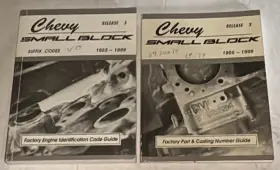
Please see pictures for condition. Shelf/ storage ware/use/writing/flaws. This listing is for vintage lot 2 Chevy small block release 3 suffix codes factory engine identification code 1995 1991 part casting number 1955-1999 guide. Nice condition.
Any questions, please let me know.
specifications ignitioncomp:
- for makes: Chevy
- for years: 1955–1999
- brand: General Motors
- part type: Block Motor Guide
- country/region of manufacture: United States
- upc: 780971245815
payments ignitioncomp:
- wallet: google-pay
- other
- credit card: visa
returns ignitioncomp:
- policy: returns accepted
- time: 60 days
- paid by: seller
offer ignitioncomp:
- availability: in stock
- best offers: true
- sold #: 19
- options: ship-to-home
- started: september 14, 2025
- prices: $46.99–$1249.00
- item condition:
- For parts or not working
- New
- New other (see details)
- Used
- in stock #: 5
general ignitioncomp:
- category: Auto Parts > Car Truck Accessories > Ignition Systems Components
seller ignitioncomp:
- rating: 100.0%
- # reviews: 4411
- city: depauw, indiana
shipping ignitioncomp:
- service: usps ground advantage
- type: fixed
- class: standard
- carrier: usps
- transit: 4-9 days
Similar Items:
- Gm De4lray General Motors Tie Clasp Badge Accessory Buick Olds Cadillac Pontiac Chevy 25 year suggestion plan. Emblem measures about 1/1 /4 across. Please look at all pictures for details. Gm tie clasp...(December 20th, 2023)
- General Motors 330521 1978-1980 Corvette Nos Gm Spark Plug Rear Shield Bracket Tracy corvette #14938 1978 -1980 nos gm# 330521 spark plug rear shield bracket. Smaller items are shipped standard USA postal service or USPS priority mail. Next, select a topic, or choose other...(December 23rd, 2023)
- General Motors Gm 3923969 68 69 70 71 72 C3 Corvette Wire Shield Distributor Ignition Left Rear Shipping info: I only ship to the lower 48 states. Fits all 1968 to 1972 corvettes with small block engine. Nice used original gm distributor ignition wire left rear shield for small block corvette's. USPS is my preferred shipping method but some items may ship ups or FedEx ground...(December 23rd, 2023)
- General Motors 15136877 P n Bcm 2007 Gm Gmc Chevrolet Cadillac Body Control Module 2003 - 2007 gm BC body module control, p/n 15136877, this part is not plug and play. In god we trust...(December 24th, 2023)
- General Motors Gm 14017719 L77 78 79 80 81 C3 Corvette Hei Distributor Ignition Shield Original This shielding came from a 1980 corvette, the 2 clips for hood cable are available corvette America very inexpensive, bottom side shows some wear but is sound, top part that looks almost new...(January 7th, 2024)
- General Motors 3967854 65-74 C2 C3 Corvette Bbc 396 427 454 Windage Tray Gm 3967854 Oem Used ...(January 23rd, 2024)
- General Motors 351697 1968-77 Corvette Lh Rh Pair Vertical Ignition Heat Shields 351698 1968-77 corvette LHS Rh pair vertical ignition heat shields 351697 351698, 1388...(January 25th, 2024)
- General Motors 3819755 Original 1963-65 Corvette Left Rear Lower Ignition Heat Shield Original 1963 -65 corvette left rear lower ignition heat shield 3819755, 1393...(January 25th, 2024)
- General Motors Foreign 610-58513 Coil ignitor Coil Fits 9899 Prizm No expedited shipping is available...(January 27th, 2024)
- General Motors 1243384 Gm 1974 1975 Oem Corvette Cadillac Seat Belt Starter Override Relay Nice Metal plating in very nice shape, from a low mileage vehicle. 1974 -75 oem gm seat belt starter interlock override relay assembly in good used condition. Used on corvette, Cadillac, and other gm vehicles. Please look at the attached pictures carefully as they are part of...(January 28th, 2024)
- General Motors Foreign 699.gf1303 Tracker 2003 Heater Box Switch Ss-5gl124 Donor vehicle - 2003 tracker. This part will fit these following makes and model's with options. It is stored in doors and ready to be shipped. Stock number - K03. Heater box switch SS-5GL124...(February 2nd, 2024)
