- Car & Truck Ignition Systems Components Products
- sku: 5618378763422682
- STANDARD KS125
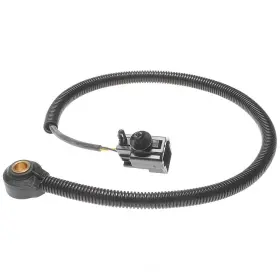
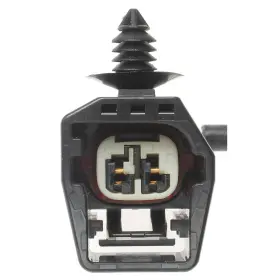
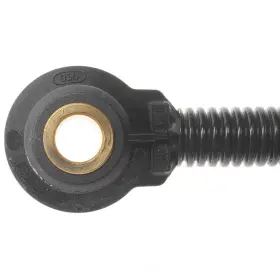
KS125 STANDARD Ignition Knock Detonation Sensor
| Brand | STANDARD |
|---|---|
| Manufacturer Part Number | KS125 |
| Manufacturer Warranty | 1 YEAR |
| Type | IGNITION KNOCK |
| UPC | 091769518486 |
Review STANDARD Ignition Knock Detonation Sensor-sensor
The Standard KS125 Ignition Knock Sensor is an essential diagnostic tool designed specifically for detecting and monitoring ignition system issues in gasoline internal combustion engines. It is engineered to identify and measure the subtle vibrations caused by detonation or knocking inside the engine cylinders due to premature ignition of the fuel-air mixture.
Constructed using high-quality materials and advanced electronics, this sensor offers superior accuracy and reliability. Its compact, cylindrical design allows for easy installation in most automotive applications. The sensor incorporates a piezoelectric element that converts the mechanical energy of engine knock into an electrical signal, which is then measured and processed by the engine control unit (ECU). The resulting data is analyzed to determine the presence, severity, and frequency of ignition knock, providing valuable insights into the operational health of your engine.
The KS125 sensor operates by monitoring the pressure waves generated by the combustion process. By detecting abnormal pressure patterns caused by knocking, it alerts the ECU to potential engine problems. The sensor is designed to work with most modern automotive diagnostic tools, allowing mechanics and car enthusiasts to diagnose and address developing engine issues before they become more serious.
Designed for durability, the KS125 Ignition Knock Sensor is built to withstand the harsh engine environment. It offers an external temperature range of -40 C to 150 C, ensuring reliable operation in various climate conditions. Additionally, it comes with a stable power supply, protecting against voltage spikes that may affect its performance.
Overall, the Standard KS125 Ignition Knock Sensor is an indispensable tool for engine diagnostics. It provides precise, accurate, and reliable data on engine knock and ignition system issues, allowing you to maintain optimal engine performance and prevent potential damage caused by inefficient combustion.
It is worth noting that the installation of the KS125 sensor may require additional wiring and integration with the vehicle's diagnostic system, making professional installation or extensive technical knowledge advisable for those intending to use this sensor for vehicle maintenance.
In summary, the Standard KS125 Ignition Knock Sensor is a detailed and efficient diagnostic tool that can accurately monitor and detect ignition system issues in gasoline engines, ensuring optimal engine performance and preventing potential damage caused by inefficient combustion, primarily engine knock. With its durable design, wide operating temperature range, and ability to work with most diagnostic tools, this sensor is an indispensable addition to any automotive repair shop or enthusiast's toolkit.
Pros and Cons of Buying a Standard KS125 Ignition Knock Sensor
A. Introduction
The KS125 ignition knock sensor is a critical component in the engine management system of modern vehicles. It monitors the engine for abnormal ignition timing and detects destructive knocking or pinging sounds. By considering both the advantages and disadvantages of purchasing a standard KS125 ignition knock sensor, vehicle owners can make an informed decision for their vehicles.
B. Pros
1. Enhanced Engine Protection: A good quality KS125 sensor effectively detects and minimizes the risk of engine damages caused by destructive backfires and detonations. It enhances the lifespan of the engine and other related components.
2. Improved Driving Experience: Replacing a faulty or worn-out KS125 sensor can significantly improve vehicle performance. Proper engine operation results in a smoother, quieter engine running efficiently.
3. Affordability: Compared to other engine sensors, the KS125 igntion knock sensor is relatively inexpensive and widely available from various automotive parts suppliers.
C. Cons
1. Technical Difficulty: Installing a KS125 sensor may challenge some vehicle owners due to its location and delicate connection to other components, leading to extra time and effort or potential damage if not done correctly.
2. Risk of False Positives: An old or malfunctioning sensor might cause unnecessary fuel trims or adjustments which lead to poor engine performance and fuel consumption.
D. Conclusion
In summary, there are various advantages and challenges when it comes to buying and installing a standard KS125 ignition knock sensor. The positives include enhanced engine protection, improved driving experience, and affordability. Conversely, difficulties such as installation complexities and potential false positives are cons. Therefore, unless a vehicle requires urgent engine knock sensor replacement, it's essential to carefully weigh these pros and cons to make an informed decision.
E. Recommendation
Considering the pros and cons mentioned above, we recommend the purchase and installation of a KS125 ignition knock sensor if your vehicle displays engine knocking or pinging sounds. However, it's essential to ensure that you have the necessary skills and equipment to perform the installation, or consider hiring a professional mechanic to minimize risks and ensure accurate installation.
Details:
Ignition knock detonation sensor. This part fits vehicles made in the following years 1997 ,1998,1999,2000,2001,20 02,2003,2004. Orders ship from 20 major metropolitan markets in the us.
specifications ignitioncomp:
- brand: Standard
- mpn: Ks125
- manufacturer warranty: 1 Year
- type: Ignition Knock
- upc: 091769518486
general ignitioncomp:
- category: Auto Parts > Car Truck Accessories > Ignition Systems Components
shipping ignitioncomp:
- transit: 6-10 days
- type: fixed
- class: Standard
- service: Standard
payments ignitioncomp:
- credit card: discover
- other
- wallet: apple-pay
offer ignitioncomp:
- started: december 20, 2024
- options: ship-to-home
- sold #: 22
- prices: $39.59–$57.91
- item condition: New
- availability: in stock
- in stock #: 5
seller ignitioncomp:
- rating: 98.8%
- city: jacksonville, florida
- # reviews: 8478
returns ignitioncomp:
- paid by: buyer
- time: 30 days
- policy: returns accepted
Similar Items:
- Standard Motor Products Us-988 Ignition Starter Switch Fits 05-15 Audi Q7 Quattro S6 4f0909135j Ignition starter switch fits 05-15 Audi q7 quarto s6 Standard motor 4F0909135J...(January 4th, 2024)
- Standard Motor Products Lx-346 Ignition Control Module-igniter So please look it over vary close before purchasing. Don't have any details besides what in the pictures for i'd of exact fitment. Ignition module out of an early gm car...(February 13th, 2024)
- Standard Lx-737 Ignition Igniter Some images may show more than one item which is to angles, not quantity...(February 25th, 2024)
- Standard Motor Products Lx411 Oem Ignition Control Module Part number LX411. Check against your existing equipment and parts manual to ensure proper fit. Standard motor products ignition control module. 1978 scout OH presto lite distributor. See pictures for details on the appearance and condition...(May 15th, 2024)
- Standard Motor Products Lx349 Niehoff Dr424s Ignition Control Module This looks to be a lightly used ignition module...(May 18th, 2024)
- Standard Fd-476 Ignition Coil 12v For Electronic Igniton Take your ignition system to the next level with this Standard FD-476 coil. See pictures for measurements and condition if applicable. Whether you're upgrading your current system or replacing a faulty component, this ignition coil is great choice. With a brand name of Standard and manufacturer part...(May 27th, 2024)
- Bold Auto Parts Baplx-401 Ignition Igniter Standard Lx-401 For Amc Jeep Cj5 Cj6 Cj7 Cherokee J10 J3224964 This is a what you see get listing. American motors pacer 77-75. American motors hornet 77-75. American motors matador 77-75. This listing is for the actual item in photograph. Most carriers will not pay claims without detailed pictures of the box, label, packing, and damage. American motors gremlin...(June 22nd, 2024)
- Standard Motor Products Us12l Us50 Ignition Switch And Lock Cylinder For Chrysler Dodge The vintage part is compatible with Chrysler, deist, Plymouth and dodge vehicles. Photos are of actual items. This combo kit includes a US50 ignition switch and US12L lock cylinder, both from Standard motor products...(July 5th, 2024)
- Standard Motor Products Ks265 Oem E1t15687 New Knock Detonation Sensor 01-05 4g63 Airtrek Stock n Pulled from 4G63 air trek...(July 24th, 2024)
- Standard 091769577391 Us431 Ignition Starter Switch Fits 2007-2018 Ford Edge 3.5l The condition of this part is used...(August 21st, 2024)
- Standard Rc4t Ignition Capacitor-radio Frequency Interference Condenser Shipped with USPS ground advantage. Condition is used...(August 23rd, 2024)
