- Car & Truck Ignition Systems Components Products
- sku: 9390976502956611
- STANDARD IGNITION KS280
KS280 STANDARD IGNITION Knock Sensor
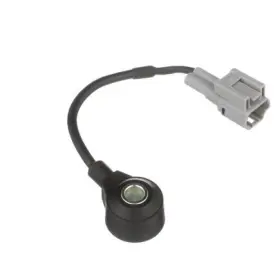
| Brand | STANDARD IGNITION |
|---|---|
| Manufacturer Part Number | KS280 |
| Part Type | SENSOR |
| Ipn | 158-1302 |
Review STANDARD IGNITION Knock Sensor
The KS280 Knock Sensor is a standard ignition sensor designed to detect engine knocking or detonation. This essential automotive component is a vital part of the engine management system, ensuring optimal engine performance and longevity.
The KS280 Knock Sensor is compact in size yet robust in construction. It is typically mounted on the engine block or cylinder head, near the combustion chamber, and utilizes a piezoelectric element to detect the rapid pressure changes caused by engine knock. This element converts the mechanical energy of the engine into an electrical signal, which is then transmitted to the engine control unit (ECU).
The ECU analyzes the electrical signal to determine if engine knock is present. If so, the ECU may take corrective measures such as adjusting the fuel-air mixture, advancing or retarding the ignition timing, or reducing engine power to prevent further knocking.
The KS280 Knock Sensor operates under various temperature conditions, ensuring reliable operation even in extreme environments. It is designed to withstand the harsh conditions of an engine bay, including high temperatures, vibrations, and engine oils.
The sensor comes with a threaded mounting boss for easy installation onto the engine block or cylinder head. It also includes a gasket to ensure a secure and leak-free seal. The sensor's electrical connections are color-coded for easy identification and connection to the wiring harness.
In summary, the KS280 Knock Sensor is a crucial component in maintaining a well-running engine. It detects engine knock and communicates this information to the engine control unit, enabling the vehicle to adjust engine parameters to prevent further knocking and ensure optimal performance. Its robust design and easy installation make it an essential addition to any engine management system.
Buying a standard ignition KS280 knock sensor comes with both advantages and disadvantages. Let's examine each in detail: Advantages:1. Cost-effective: A standard KS280 knock sensor is generally less expensive than an OEM (Original Equipment Manufacturer) sensor. This can save you money, especially if you're working on a budget.
2. Availability: Standard sensors are widely available at auto parts stores and online retailers. This makes it easy to find and purchase one when you need it.
3. Flexibility: Aftermarket sensors can be used in various vehicle models, not just the one they were originally designed for. This gives you the flexibility to use the same sensor across multiple vehicles.
Disadvantages:1. Quality concerns: Some aftermarket sensors may not meet the same quality standards as OEM sensors. This could result in false readings or inaccurate diagnoses.
2. Compatibility issues: While standard sensors can be used in various vehicles, they may not always be perfectly compatible. This could lead to installation issues or unexpected behavior.
3. Lack of warranty: Most aftermarket sensors do not come with the same level of warranty coverage as OEM sensors. This means you may be responsible for any repairs or replacements if the sensor fails.
Conclusion:A standard ignition KS280 knock sensor can save you money and provide flexibility, but it also comes with potential quality concerns and compatibility issues. Ultimately, the decision to buy a standard sensor depends on your budget, vehicle needs, and willingness to accept the risks.
Recommendation:If you're comfortable with the potential risks and want to save money, a standard KS280 knock sensor could be a good option for you. However, if you prioritize quality and compatibility, it may be worth investing in an OEM sensor instead. Always make sure to do your research and choose a reputable supplier to minimize the risks.
Details:
Engineered using the latest technology to ensure product lasts longer in service. Engineered with a factory-like design for effortless installation, ensuring perfect match your vehicle. Standard Ignition KS280 knock sensor: part number: manufacturer: Standard Ignition. Manufactured following strict OE Standards to work like the original component.
Designed specifically for trucks, trailers, and buses. Made of high-quality components for durability, reliability, and performance.
specifications ignitioncomp:
- brand: Standard Ignition
- mpn: Ks280
- part type: Sensor
- ipn: 158-1302
general ignitioncomp:
- category: Auto Parts > Car Truck Accessories > Ignition Systems Components
seller Ignitioncomp:
- # reviews: 51152
- city: los angeles, california
- rating: 97.0%
shipping Ignitioncomp:
- type: fixed
- transit: 6-9 days
- class: Standard
- service: Standard
offer Ignitioncomp:
- availability: in stock
- options: ship-to-home
- sold #: 15
- best offers: true
- started: june 19, 2025
- prices: $44.99–$58.34
- item condition:
- New
- New other (see details)
- in stock #: 5
returns Ignitioncomp:
- time: 30 days
- paid by: buyer
- policy: returns accepted
payments Ignitioncomp:
- other
- wallet: apple-pay
- credit card: visa
Similar Items:
- Standard Motor Products Us-988 Ignition Starter Switch Fits 05-15 Audi Q7 Quattro S6 4f0909135j Ignition starter switch fits 05-15 Audi q7 quarto s6 Standard motor 4F0909135J...(January 4th, 2024)
- Standard Motor Products Lx-346 Ignition Control Module-igniter So please look it over vary close before purchasing. Don't have any details besides what in the pictures for i'd of exact fitment. Ignition module out of an early gm car...(February 13th, 2024)
- Standard Lx-737 Ignition Igniter Some images may show more than one item which is to angles, not quantity...(February 25th, 2024)
- Standard Motor Products Lx411 Oem Ignition Control Module Part number LX411. Check against your existing equipment and parts manual to ensure proper fit. Standard motor products Ignition control module. 1978 scout OH presto lite distributor. See pictures for details on the appearance and condition...(May 15th, 2024)
- Standard Motor Products Lx349 Niehoff Dr424s Ignition Control Module This looks to be a lightly used Ignition module...(May 18th, 2024)
- Standard Fd-476 Ignition Coil 12v For Electronic Igniton Take your Ignition system to the next level with this Standard FD-476 coil. See pictures for measurements and condition if applicable. Whether you're upgrading your current system or replacing a faulty component, this Ignition coil is great choice. With a brand name of Standard and manufacturer part...(May 27th, 2024)
- Bold Auto Parts Baplx-401 Ignition Igniter Standard Lx-401 For Amc Jeep Cj5 Cj6 Cj7 Cherokee J10 J3224964 This is a what you see get listing. American motors pacer 77-75. American motors hornet 77-75. American motors matador 77-75. This listing is for the actual item in photograph. Most carriers will not pay claims without detailed pictures of the box, label, packing, and damage. American motors gremlin...(June 22nd, 2024)
- Standard Motor Products Us12l Us50 Ignition Switch And Lock Cylinder For Chrysler Dodge The vintage part is compatible with Chrysler, deist, Plymouth and dodge vehicles. Photos are of actual items. This combo kit includes a US50 Ignition switch and US12L lock cylinder, both from Standard motor products...(July 5th, 2024)
- Standard Motor Products Ks265 Oem E1t15687 New Knock Detonation Sensor 01-05 4g63 Airtrek Stock n Pulled from 4G63 air trek...(July 24th, 2024)
- Standard 091769577391 Us431 Ignition Starter Switch Fits 2007-2018 Ford Edge 3.5l The condition of this part is used...(August 21st, 2024)
- Standard Rc4t Ignition Capacitor-radio Frequency Interference Condenser Shipped with USPS ground advantage. Condition is used...(August 23rd, 2024)
