- Car & Truck Ignition Systems Components Products
- sku: 6314123526598621
- LAND ROVER LR155117
LR155117 LAND-ROVER Ignition Knock Detonation Sensor
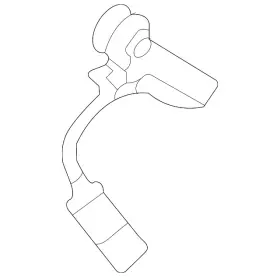
| Brand | LAND-ROVER |
|---|---|
| Manufacturer Part Number | LR155117 |
| Part Type | IGNITION SENSOR |
| Genuine Oem | YES |
| Manufacturer Warranty | 1 YEAR |
| Universal Fitment | DIRECT REPLACEMENT |
| Parts Included | ONLY PART REFERENCE 7 ON THE DIAGRAM IS INCLUDED |
| Replaces Part Number | LR112513 |
Review LAND-ROVER Genuine Ignition Knock Detonation Sensor
The Land Rover LR155117 Ignition Knock Detonation Sensor is a crucial component of your vehicle's engine management system. This sensor is specifically designed for use in Land Rover models and is responsible for monitoring the combustion process within the engine cylinders to identify and diagnose ignition knock or detonation.
The ignition knock detonation sensor works by measuring the pressure waves generated during the engine's combustion process. It continuously monitors these waves and analyzes their shape and frequency to detect any abnormalities associated with knocking or detonation. When knocking or detonation is detected, the sensor sends a signal to the engine control module, activating the knock control system to adjust fuel injection and ignition timing to help reduce or prevent the knocking sound and damage to the engine.
The Land Rover LR155117 Ignition Knock Detonation Sensor is a high-precision, high-performance component, with its advanced design ensuring accurate and reliable detection of knocking and detonation, even in demanding conditions. The sensor's integrated temperature compensation feature enables it to adapt to changes in engine operating temperature, further enhancing its performance and ensuring consistent engine performance.
If the ignition knock detonation sensor fails or malfunctions, it can cause various issues such as increased fuel consumption, poor engine performance, and, in severe cases, engine damage. Regular maintenance, including occasional replacement of aging sensors, is crucial to keep your Land Rover running smoothly and efficiently.
Installing a new Land Rover LR1551117 Ignition Knock Detonation Sensor is a straightforward procedure that typically involves disconnecting the battery, removing the old sensor from its mounting location, and securing the new sensor in its place before reconnecting the electrical connector. Proper installation, as with any automotive repair task, requires attention to detail and the right tools, and it is always recommended to consult your vehicle's service manual or a trusted mechanic for additional guidance.
In conclusion, the Land Rover LR155117 Ignition Knock Detonation Sensor plays a vital role in maintaining your Land Rover's engine performance and longevity. By continuously monitoring and analyzing the engine's combustion process, it helps ensure smooth and efficient engine operation and prevents damage from knocking and detonation. With its high precision, reliability, and ease of installation, this sensor offers exceptional value to Land Rover owners seeking optimal engine performance and longevity.
The Land Rover LR155 (Freelander 2) Ignition Knock Detonation Sensor is an essential component of the vehicle's engine management system. The sensor's primary function is to detect and prevent ignition knock, which can cause engine damage and reduce performance. However, like any other automotive part, it comes with its advantages and disadvantages. Here's a detailed analysis:
Advantages:1. Improved engine performance: A malfunctioning or faulty ignition knock sensor can lead to engine knocking or pinging, negatively affecting performance. Replacing the sensor can help improve the engine's performance and efficiency by ensuring the ignition system fires correctly.
2. Smoother engine operation: Engine knocking can cause vibrations and uneven running, leading to an uncomfortable driving experience. A good ignition knock sensor ensures the engine operates smoothly, providing a more pleasant ride for the driver and passengers.
3. Enhanced fuel economy: The ignition knock sensor plays a role in optimizing engine performance by ensuring the air-fuel mixture is burned efficiently. A proven and functioning ignition knock sensor can contribute to better fuel economy and reduced emissions.
4. Longer engine life: Continuous engine knocking can lead to severe engine damage, resulting in expensive repairs. Maintaining a well-functioning ignition knock sensor helps prevent engine damage and increase the vehicle's overall lifespan.
Disadvantages:1. Cost: Replacing the ignition knock sensor is not a cheap fix, with the part and labor costs being relatively high. Considering the interval between replacements, some drivers find the cost to be a disadvantage.
2. Time consuming: Ignition knock sensor replacement requires specialized tools and skills, making it a time-consuming task. Depending on the availability of the necessary tools and the complexity of the setup, the replacement process might take a considerable amount of time.
3. Availability: The ignition knock sensor is located deep inside the engine compartment, making it a challenging part to access. In addition, finding a compatible aftermarket sensor for some variations of the Land Rover LR155 might be difficult, further complicating the replacement process.
Conclusion:The Ignition Knock Detonation Sensor is an essential component in maintaining a Land Rover LR155's engine performance and longevity. Though the replacement process carries some disadvantages in terms of cost, time-consuming nature, and potential availability issues, the benefits such as improved performance, smoother operation, enhanced fuel efficiency, and engine protection often outweigh the cons. It is recommended to consider the importance of a correctly functioning ignition knock sensor and weigh the advantages and disadvantages when making the decision to replace it. If you experience issues with engine knocking, addressing the problem promptly will help prevent potential damage and ensure a more enjoyable driving experience.
Details:
Genuine Land-rover parts. Electrical parts are not returnable. Parts must be resalable and in the original packaging. Shipping carrier substitutions may be made at our determination in an attempt to reduce shipping cost the customer.
specifications ignitioncomp:
- brand: Land-rover
- mpn: Lr155117
- part type: Ignition Sensor
- genuine oem: Yes
- manufacturer warranty: 1 Year
- universal fitment: Direct Replacement
- parts included: Only Part Reference 7 On The Diagram Is Included
- replaces part number: Lr112513
shipping ignitioncomp:
- transit: 3-9 days
- class: standard
- type: fixed
- service: standard
seller ignitioncomp:
- rating: 100.0%
- # reviews: 4
- city: fort lauderdale, florida
returns ignitioncomp:
- policy: no returns
payments ignitioncomp:
- credit card: visa
- wallet: paypal
- other
general ignitioncomp:
- category: Auto Parts > Car Truck Accessories > Ignition Systems Components
offer ignitioncomp:
- options: ship-to-home
- sold #: 24
- prices: $30.17–$160.00
- item condition:
- New
- Gebraucht
- New other (see details)
- Used
- in stock #: 5
- availability: in stock
- started: january 21, 2025
Similar Items:
- Jaguar Land Rover Lr069783 2014-2021 Theft Locking Keyless Control Module Oe Fk7219h440bh Reprogramming or removing of anti-theft protection from your vehicle is required. Free return shipping for any reason, excluding parts or not working items. So, if you just plug an item in, in most cases it will not work or incorrectly...(December 25th, 2023)
- Land Rover Jaguar C2d4232 2010 2019 Keyless Entry Antenna Receiver Module Oem Free return shipping for any reason, excluding parts or not working items. Reprogramming or removing of anti-theft protection from your vehicle is required. So, if you just plug an item in, in most cases it will not work or incorrectly...(December 26th, 2023)
- Range Rover Yil000053 2006 Land L322 Dvd Entertainment Information Module Control Rear Orders placed before 0800 ect are dispatched on the same day. Simply drop us a message with your car model and we'll quickly confirm the fitment...(December 31st, 2023)
- Jaguar 8w83-3c190-ab 14-22 Land Rover Range Sport Lateral Accelerometer Sensor 14-22 land rover range sport lateral accelerate sensor 8W83-3C190-AB...(January 5th, 2024)
- Land Rover 8w93-12a366-da 221 604 2010-2013 Range Sport Ignition Coil Igniter Pack M3bn6 Compatible with: LR4 10-13 5.0L. Most electronic parts are not plug and play. Range rover 10-12 5.0L. Range rover sport 10-13 5.0L. This 2010 2011 2012 2013 land rover range sport ignition coil is in overall good condition. Shipping is via USPS or ups. Please also use the pictures to ensure ...(January 16th, 2024)
- Range Rover 1050007001 2018 Land Evoque Windshield Washer Tank Pump Motor Location bin B16. All electronics items may need to be reprogrammed function, an electronic item not function without the proper programming...(January 30th, 2024)
- Lexus 89666-60170 2000 Toyota Land Cruiser Lx470 Ecu Ignition Key Door Locks Cylinder The set comes with a 3-MONTH manufacturer warranty. The parts are direct replacements and made in japan. These parts are compatible with the mentioned vehicle model and can be installed without any modifications. The set includes oe/oem part numbers 89666-60170, 89783-60050. Please refer to the ...(February 10th, 2024)
- Land Rover 7h4290372-aa 2010-2013 Range Sport Fuel Pump Control Module Oem Daytime phone number is required load will not deliver until appointment scheduled. Our team will do our best to solve any issue. 2010 -2013 land rover range sport fuel pump control module 7H4290372-AA oem it is a used factory original part. Condition: normal wear for its age - please see pictures...(February 26th, 2024)
- Land Rover Stc1436 94-99 Discovery 1 Oem Ignition Switch With Key Exterior Door Handle Set 94-99 land rover discovery 1 oem ignition switch w/ key exterior door handle set...(February 28th, 2024)
- Toyota 1908066010 97 Land Cruiser 80 Series 4.5l Ignition Coil No expedited shipping is available...(March 1st, 2024)
- Land Rover Lr004160 Radio Suppression Capacitor Good used radio suppression capacitor...(March 1st, 2024)
