- Car & Truck Ignition Systems Components Products
- sku: 14029425881328771
- STANDARD IGNITION PC593
PC593 STANDARD IGNITION Engine Crankshaft Position Sensor
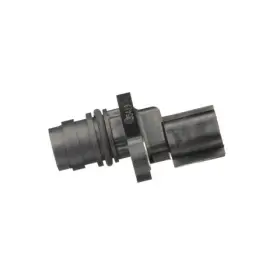
| Brand | STANDARD IGNITION |
|---|---|
| Manufacturer Part Number | PC593 |
| Part Type | ENGINE CRANKSHAFT SENSOR |
| UPC | 707390377834 |
Review STANDARD IGNITION Engine Crankshaft Position Sensor
The Standard Ignition PC593 Engine Crankshaft Position Sensor is an essential component of modern engine management systems, responsible for providing critical information to the engine control unit (ECU) regarding the crankshaft's position and rotation.
This sensor employs a magnetic pickup design, with a three-lead output. The sensor housing is robustly built, typically made of cast aluminum, ensuring it can withstand the harsh conditions of the engine bay. The sensor's internal components consist of a toothed wheel and a magnetic element.
The toothed wheel is securely mounted to the engine crankshaft, allowing it to rotate with the crankshaft as the engine runs. The magnetic element is located within the sensor housing, with a series of coils arranged around it. As the toothed wheel passes by the sensor, the magnetic field generated by the toothed wheel causes a voltage pulse to be generated in the coils.
This voltage pulse is then outputted as a three-lead signal, which is typically labeled as A, B, and C. The A and B signals represent the inductive output signals, while the C signal is the index signal. The ECU uses the A and B signals to determine the crankshaft's position and rotation angle, while the C signal is used to provide a reference point, known as the 'top dead center' position.
It's important to note that the PC593 sensor is designed to operate with a specific engine timing and firing order. Installing the sensor in the wrong position or with incorrect connections could result in engine misfires, poor performance, or even damage to the engine.
The sensor's electrical connections are typically made using terminals or bullets, and it may require specific tools to remove and replace. It's recommended to consult the vehicle's service manual for detailed instructions on the sensor's installation and removal process.
In summary, the Standard Ignition PC593 Engine Crankshaft Position Sensor is a vital component of modern engine management systems, responsible for providing the ECU with critical information regarding the crankshaft's position and rotation. Its magnetic pickup design, robust housing, and three-lead output make it a reliable and effective solution for accurately monitoring engine timing and firing order.
Buying a standard ignition PC593 engine crankshaft position sensor involves weighing the potential benefits against the drawbacks to determine if it is a worthwhile investment for your vehicle. Here are some pros and cons to consider:
Pros:1. Improved Engine Performance: A faulty crankshaft position sensor can cause misfires, rough idling, and poor fuel economy. Replacing the sensor can help restore proper engine performance and improve fuel efficiency.
2. Preventing Further Damage: A malfunctioning crankshaft position sensor can also lead to more significant engine issues if left unaddressed. Replacing the sensor can help prevent further damage and costly repairs down the line.
3. Relatively Inexpensive: Compared to other engine components, a crankshaft position sensor is a relatively inexpensive part to replace.
Cons:1. Installation Complexity: Installing a crankshaft position sensor can be a complex process that requires specialized tools and knowledge. If you are not confident in your ability to install the sensor yourself, it may be worth paying a mechanic to do it for you.
2. Potential for False Positives: In some cases, a crankshaft position sensor may give false readings, leading to unnecessary repairs or replacements. While rare, this is a potential risk to consider.
3. Risk of Damage During Installation: During the installation process, there is a risk of damaging other engine components or the sensor itself. Proper installation techniques and tools can help mitigate this risk.
Conclusion:In conclusion, replacing a faulty crankshaft position sensor can help restore proper engine performance, prevent further damage, and save money in the long run. However, the installation process can be complex, and there is a risk of false positives or damage during installation. Ultimately, whether or not it is worth buying a standard ignition PC593 engine crankshaft position sensor depends on your comfort level with the installation process and the potential costs and consequences of not replacing the sensor. If you are unsure, it may be worth consulting a mechanic for advice.
Recommendation:If you are comfortable with the installation process and have the necessary tools, replacing a faulty crankshaft position sensor can be a cost-effective way to restore proper engine performance and prevent further damage. However, if you are not confident in your ability to install the sensor yourself, it may be worth paying a mechanic to do it for you to ensure proper installation and minimize the risk of damage or false positives.
Details:
Note: photos do not always represent the actual product. For kits, photo might show entire kit and listing is only for one component. Standard Ignition engine crankshaft position sensor p/n:pc593,: .
specifications ignitioncomp:
- brand: Standard Ignition
- mpn: Pc593
- part type: Engine Crankshaft Sensor
- upc: 707390377834
returns Ignitioncomp:
- paid by: seller
- time: 30 days
- policy: returns accepted
seller Ignitioncomp:
- city: USA
- rating: 98.8%
- # reviews: 83526
offer Ignitioncomp:
- in stock #: 5
- availability: in stock
- sold #: 8
- prices: $17.19–$41.99
- item condition: New
- started: january 30, 2026
- options: ship-to-home
general ignitioncomp:
- category: Auto Parts > Car Truck Accessories > Ignition Systems Components
shipping Ignitioncomp:
- class: Standard
- service: Standard
- transit: 5-10 days
- type: fixed
payments Ignitioncomp:
- other
- credit card: diners-club
- wallet: paypal
Similar Items:
- Standard Motor Products Us-988 Ignition Starter Switch Fits 05-15 Audi Q7 Quattro S6 4f0909135j Ignition starter switch fits 05-15 Audi q7 quarto s6 Standard motor 4F0909135J...(January 4th, 2024)
- Standard Motor Products Lx-346 Ignition Control Module-igniter So please look it over vary close before purchasing. Don't have any details besides what in the pictures for i'd of exact fitment. Ignition module out of an early gm car...(February 13th, 2024)
- Standard Lx-737 Ignition Igniter Some images may show more than one item which is to angles, not quantity...(February 25th, 2024)
- Standard Motor Products Lx411 Oem Ignition Control Module Part number LX411. Check against your existing equipment and parts manual to ensure proper fit. Standard motor products Ignition control module. 1978 scout OH presto lite distributor. See pictures for details on the appearance and condition...(May 15th, 2024)
- Standard Motor Products Lx349 Niehoff Dr424s Ignition Control Module This looks to be a lightly used Ignition module...(May 18th, 2024)
- Standard Fd-476 Ignition Coil 12v For Electronic Igniton Take your Ignition system to the next level with this Standard FD-476 coil. See pictures for measurements and condition if applicable. Whether you're upgrading your current system or replacing a faulty component, this Ignition coil is great choice. With a brand name of Standard and manufacturer part...(May 27th, 2024)
- Bold Auto Parts Baplx-401 Ignition Igniter Standard Lx-401 For Amc Jeep Cj5 Cj6 Cj7 Cherokee J10 J3224964 This is a what you see get listing. American motors pacer 77-75. American motors hornet 77-75. American motors matador 77-75. This listing is for the actual item in photograph. Most carriers will not pay claims without detailed pictures of the box, label, packing, and damage. American motors gremlin...(June 22nd, 2024)
- Standard Motor Products Us12l Us50 Ignition Switch And Lock Cylinder For Chrysler Dodge The vintage part is compatible with Chrysler, deist, Plymouth and dodge vehicles. Photos are of actual items. This combo kit includes a US50 Ignition switch and US12L lock cylinder, both from Standard motor products...(July 5th, 2024)
- Standard Motor Products Ks265 Oem E1t15687 New Knock Detonation Sensor 01-05 4g63 Airtrek Stock n Pulled from 4G63 air trek...(July 24th, 2024)
- Toyota 610-58359 Coil ignitor Ignitor 1600 2tc Engine Standard Spec Fits 77 Corolla 13394 Part #: Toyota 13394 for sale...(August 6th, 2024)
- Standard 091769577391 Us431 Ignition Starter Switch Fits 2007-2018 Ford Edge 3.5l The condition of this part is used...(August 21st, 2024)
