- Car & Truck Ignition Systems Components Products
- sku: 8672291054895611
- CARQUEST SR-111
SR-111 CARQUEST Starter Relay Nos
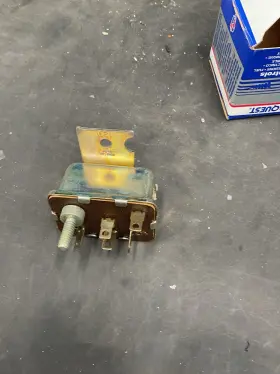
| Brand | CARQUEST |
|---|---|
| Manufacturer Part Number | SR-111 |
| Part Type | STARTER |
Review CARQUEST Starter Relay Nos
The Carquest SR-111 Starter Relay is a crucial component in the starting system of your vehicle. Designed to handle the high current demands required to engage the starter motor, this relay ensures a reliable starting process each time you turn the key.
This starter relay from Carquest is built with a robust construction to withstand the rigors of automotive use. Its contacts are made of high-quality, wear-resistant materials, ensuring long-lasting performance. The relay housing is engineered from durable materials, ensuring protection against environmental elements and vibration.
The SR-111 Starter Relay features a compact design, making it easy to install in various vehicle makes and models. Its screw terminals provide secure connections, ensuring proper electrical flow. The relay also comes with a built-in diode, which provides reverse polarity protection and prevents damage to the starter motor.
This Carquest starter relay operates on a 12-volt DC power source and has a maximum current rating of 150 amps. Its coil resistance is 3.5 ohms, and it has a minimum operating temperature of -40 F (-40 C). The relay also has a built-in thermal protector, which prevents overheating and ensures safe operation.
In summary, the Carquest SR-111 Starter Relay is a dependable and durable component of your vehicle's starting system. Its robust construction, secure connections, and built-in protections make it an ideal choice for ensuring reliable starting performance. Whether you're an automotive enthusiast or a professional mechanic, this starter relay is a must-have in your toolkit or inventory.
Carquest SR-111 starter relays are aftermarket automotive components designed to replace original equipment manufacturer (OEM) relays. Here are some potential pros and cons of buying these relays:
Pros:1. Cost-effective: Aftermarket relays like the Carquest SR-111 are typically more affordable than their OEM counterparts. This can be a significant advantage for budget-conscious consumers or those looking to save on repair costs.
2. Availability: Aftermarket relays are widely available at auto parts stores and online retailers. This makes it easy to find and purchase the part you need, even if it's not readily available from your dealership.
3. Functionality: Aftermarket relays are designed to meet or exceed the performance specifications of the OEM part they're replacing. This means that they should function just as well, if not better, than the original component.
4. Convenience: Because aftermarket relays are readily available, you can often have the part shipped directly to your doorstep or pick it up at your local auto parts store. This can save you time and effort compared to waiting for an appointment at the dealership.
Cons:1. Quality concerns: Some aftermarket parts, including relays, may not be of the same quality as OEM parts. This could potentially lead to issues down the line, such as premature failure or compatibility problems.
2. Compatibility: While aftermarket relays are designed to fit and function in the same way as their OEM counterparts, there can still be compatibility issues. For example, some aftermarket relays may not work properly with certain vehicle systems or may require additional modifications.
3. Warranty: OEM relays often come with warranties from the dealership or the vehicle manufacturer. Aftermarket relays, on the other hand, may not come with the same level of warranty coverage. This could leave you without recourse if the part fails prematurely.
4. Installation: Installing an aftermarket relay may require some mechanical knowledge and experience. If you're not comfortable doing the installation yourself, you may need to pay for professional installation, which could add to the overall cost.
Conclusion:Carquest SR-111 starter relays and other aftermarket automotive components offer several advantages, including cost savings, availability, and functionality. However, they also come with some potential drawbacks, such as quality concerns, compatibility issues, and limited warranty coverage. Ultimately, the decision to purchase an aftermarket relay depends on your individual needs, budget, and level of mechanical expertise. If you're comfortable with the potential risks and confident in your ability to install the part yourself, an aftermarket relay may be a cost-effective solution. However, if you prioritize warranty coverage and peace of mind, you may prefer to opt for an OEM part from your dealership.
Details:
specifications ignitioncomp:
- brand: Carquest
- mpn: Sr-111
- part type: Starter
payments ignitioncomp:
- other
- credit card: mastercard
- wallet: apple-pay
offer ignitioncomp:
- prices: $19.99–$45.00
- item condition:
- New other (see details)
- New
- sold #: 18
- options: ship-to-home
- in stock #: 5
- started: may 11, 2025
- availability: in stock
shipping ignitioncomp:
- service: flat rate freight
- class: freight
- type: fixed
returns ignitioncomp:
- policy: no returns
seller ignitioncomp:
- city: halstead, kansas
- # reviews: 5201
- rating: 99.4%
general ignitioncomp:
- category: Auto Parts > Car Truck Accessories > Ignition Systems Components
Similar Items:
- Carquest Sdn3a Starter Drive Part #: Carquest SDN3A for sale...(April 6th, 2024)
- Carquest 3205s New Starter-3205s Fits 92 to 2004 ford mustang and many more. New open box. Carquest remanufactured 3205S starter...(July 21st, 2024)
- Carquest 6442s Remanufactured Starter-6442s Shown is a brief of part sold. This remanufactured Carquest starter is a direct replacement part for your vehicles ignition system. It is a reliable and efficient choice for your vehicles ignition needs. It is compatible with the manufacturer part number 6442S and comes without any warranty from...(October 27th, 2024)
- Carquest 56422 Standard Motor Products Ignition Starter Switch Part #: Carquest 56422 for sale...(December 19th, 2024)
- Carquest Cs939 Ignition Intermotor Starter Switch Reliable function: provides smooth and consistent operation, ensuring your ignition system works flawlessly every time. Warranty: no. Fitment type: direct replacement. Installation instructions if applicable. Packaging kitting:: the product comes in a secure, well-packaged box to prevent damage ...(January 18th, 2025)
- Carquest Csc1689 Ignition Starter Switch Part #: Carquest c 689 for sale...(February 17th, 2025)
- Carquest Premium Vehicle Solutions Sbc3727 Ignition Knock Detonation Sensor-sensor Nos The ignition knock detonation sensor Carquest SBC3727 is a premium vehicle solution designed to detect ignition knock or detonation in your car truck. It is a crucial component in ensuring optimal performance of your ignition system. Manufactured by Carquest premium vehicle solutions, this sensor ...(March 27th, 2025)
- Carquest Csc1537 Ignition Starter Switch Sale The Carquest c 537 ignition starter switch is a high-quality replacement part designed to ensure reliable performance and durability for your vehicles ignition system. Manufactured by Carquest, a trusted name in automotive components, this switch is great choice for restoring the functionality of ...(March 29th, 2025)
- Carquest Csc1616 Ignition Starter Switch For 99-00 Honda Odyssey Carquest c 616 ignition starter switch, vehicle fitment guide make model year Honda odyssey 1999 20 switch...(April 1st, 2025)
- Carquest Premium Vehicle Solutions Esc1001 Electronic Spark Control Module-ignition Relay Part #: Carquest premium vehicle solutions e 001 for sale...(April 7th, 2025)
- Carquest 195580214616 Csa1804 Ignition Starter Switch Carquest CSA1804 ignition starter switch, vehicle fitment guide make model year Nissan Taurus non-us/Canada 1988 2017 sentry 1991 1994 tsunami 1993 2004 NC - 1993 , - 1993...(April 23rd, 2025)
